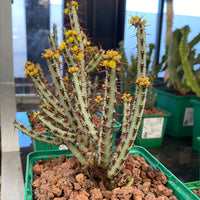
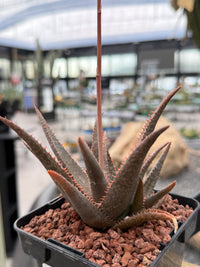
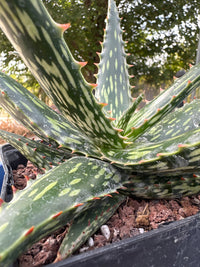
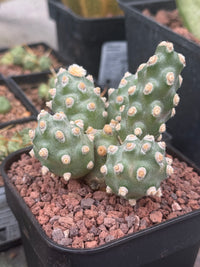
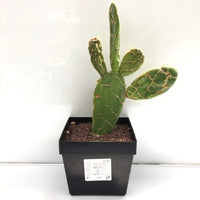
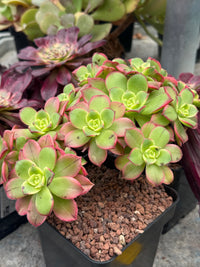
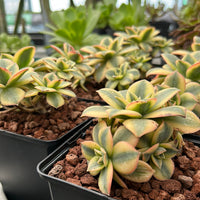
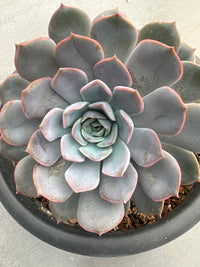
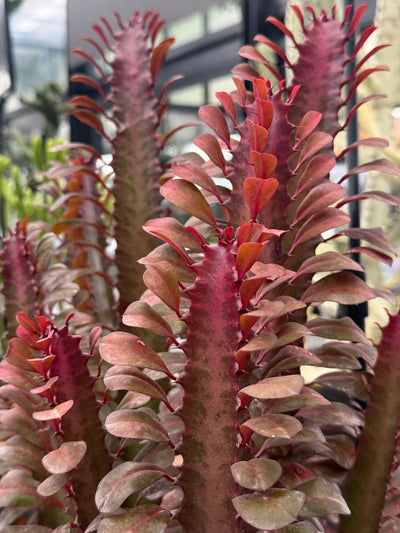
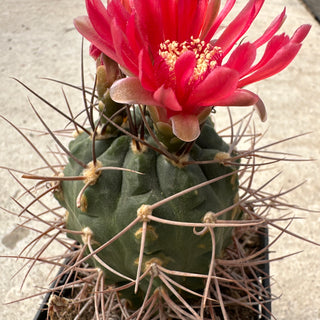
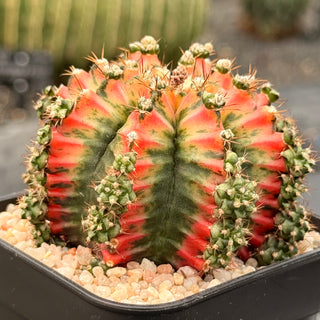
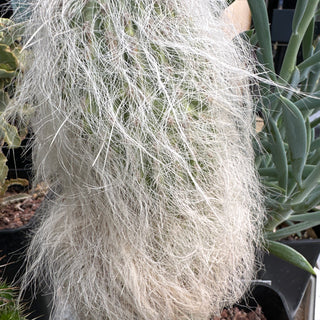
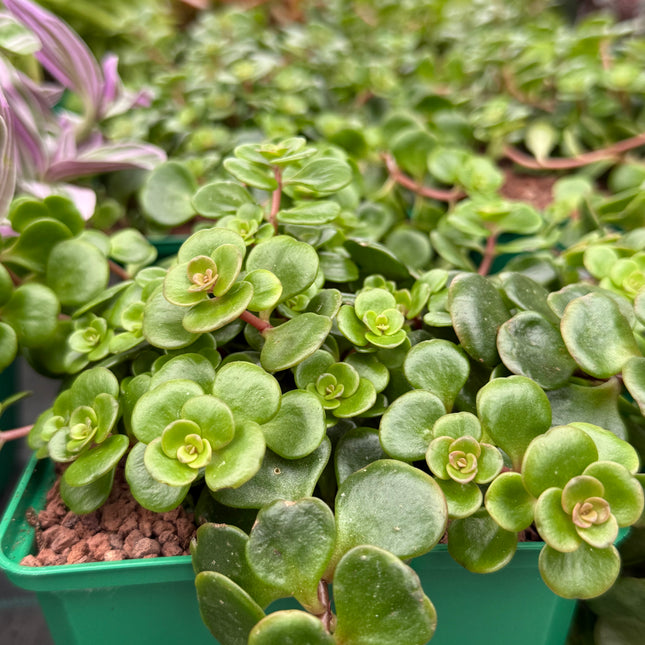
In the arid regions of Asia, where water is scarce for long periods of the year, succulent plants have found their own way to conquer rocky terrain, mountains and dry steppes. Euphorbias, crassulacean and asphodelacean plants share these landscapes with genera such as Sedum, Orostachys, Rhodiola, Hoyas, Phedimus, Sinocrassulaand Rosularia, along with some Euphorbias
Some store water in their fleshy leaves; others survive thanks to thickened roots or growth cycles adapted to the climate. They are specialists in endurance: plants that make the most of every rainfall, withstand scarcity and transform the austerity of the Asian landscape into a surprising collection of shapes, textures and colors. Because even where it seems that life stops, nature finds a way to keep growing.