




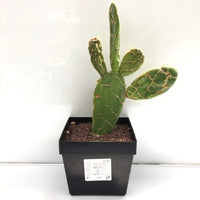





















































Aylostera fulviseta | formerly Rebutia fulviseta. Rebutia with lion-maned spines
€10,60 €6,36
- 30-day returns, no hassle
- Free shipping to mainland Spain on orders from €79.99
- Guaranteed arrival: if it arrives damaged, we replace it
Description
Aylostera fulviseta (Rausch) Mosti & Papini · Rebutia with leonine spines
🌱 Morphology
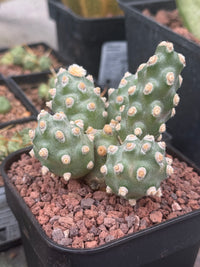
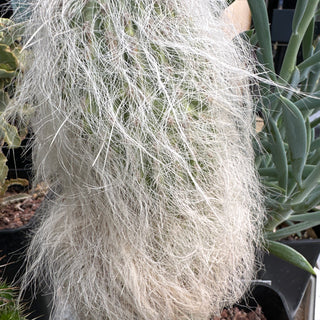
A tiny jewel with a wild appearance, whose main attraction is its spination in ochre, coppery, and reddish tones, which seems to form a soft mane around its body. It is a small cactus, but with an extraordinary personality: its dark green stems acquire bronzed and purple hues when exposed to intense light.
It grows forming small clusters of globose or slightly cylindrical heads, measuring just 1–2 cm in diameter. Its tubercles are arranged in a spiral and covered by areoles with a fine brown tomentum. From them emerge between 10 and 12 radial spines and 1 to 3 central spines, all fine, flexible, and slightly bristly, in ochre yellow to reddish-brown, with darker tips.
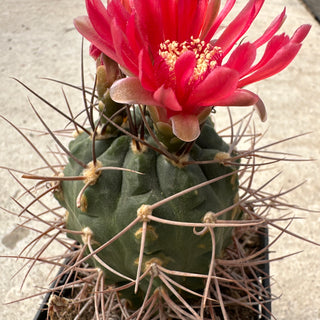
Its flowering is particularly striking in relation to its small size: it produces dark red, almost maroon flowers, measuring about 2.5 cm, with numerous white stamens that create a very attractive contrast.
🌍 Distribution, habitat, and family
It is a cactus native to Bolivia, described from specimens collected near Padcaya, in the province of Arce, Tarija department, at about 2,200 metres above sea level. Populations have also been attributed to certain localities in northern Argentina, although the classic reference locality is Padcaya.
It inhabits mountainous regions with a seasonal climate, with rainfall concentrated in the warm months and a dry season during the southern winter. It grows in open environments, where it withstands significant temperature differences between day and night.
Family: Cactaceae · Subfamily: Cactoideae · Tribe: Notocacteae.
It was originally described by Walter Rausch in 1970 as Rebutia fulviseta. In 2011, Stefano Mosti and Alessandro Papini published the combination Aylostera fulviseta. The epithet fulviseta refers to its leonine or brownish-yellow spines, one of its most distinctive characteristics.
☀️ Lighting
It requires very intense light to develop compact spination and retain the bronzed and reddish tones of the epidermis. Sunny exposure is recommended, with gradual acclimatisation when moved from shaded conditions. For reference, it can be grown with an approximate PAR DLI of 18–25 mol·m⁻²·day⁻¹. Good ventilation promotes its development and prevents excessive temperatures during the summer.
💧 Growth cycle and watering
Winter dormancy. It has its active growth period during spring and summer, coinciding with the rainy season in its Bolivian habitat. During the southern winter, it enters dormancy, so it is recommended to keep the substrate dry and suspend watering when temperatures are low. With the arrival of spring, watering is gradually resumed. During active growth, it is recommended to water thoroughly and let the substrate dry before repeating.
🌡️ Temperature · USDA Zone 9b
It tolerates minimum temperatures of approximately −4 °C if completely dry, acclimatised, and protected from persistent moisture. Prolonged frosts should be avoided, especially the combination of cold and excess water.
🧪 Nutrition
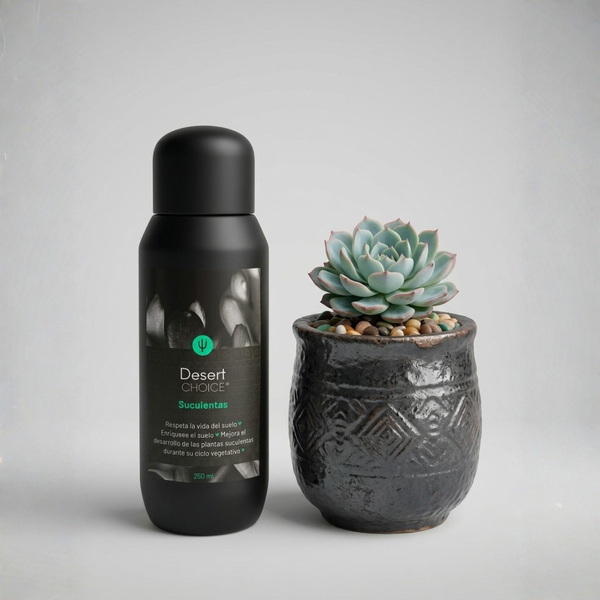
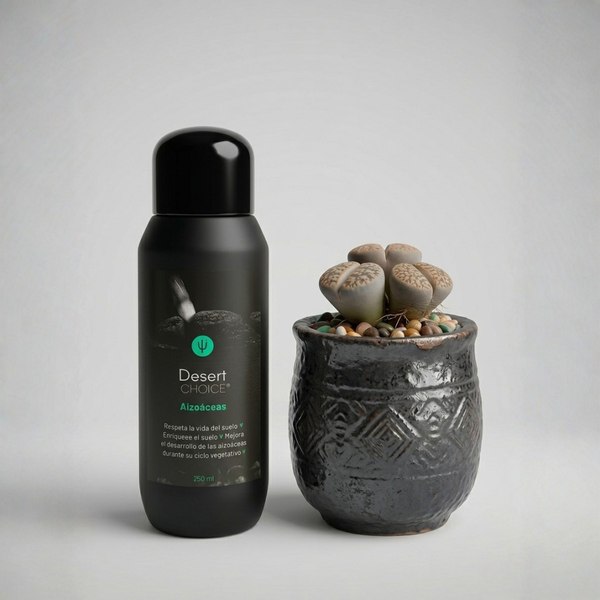
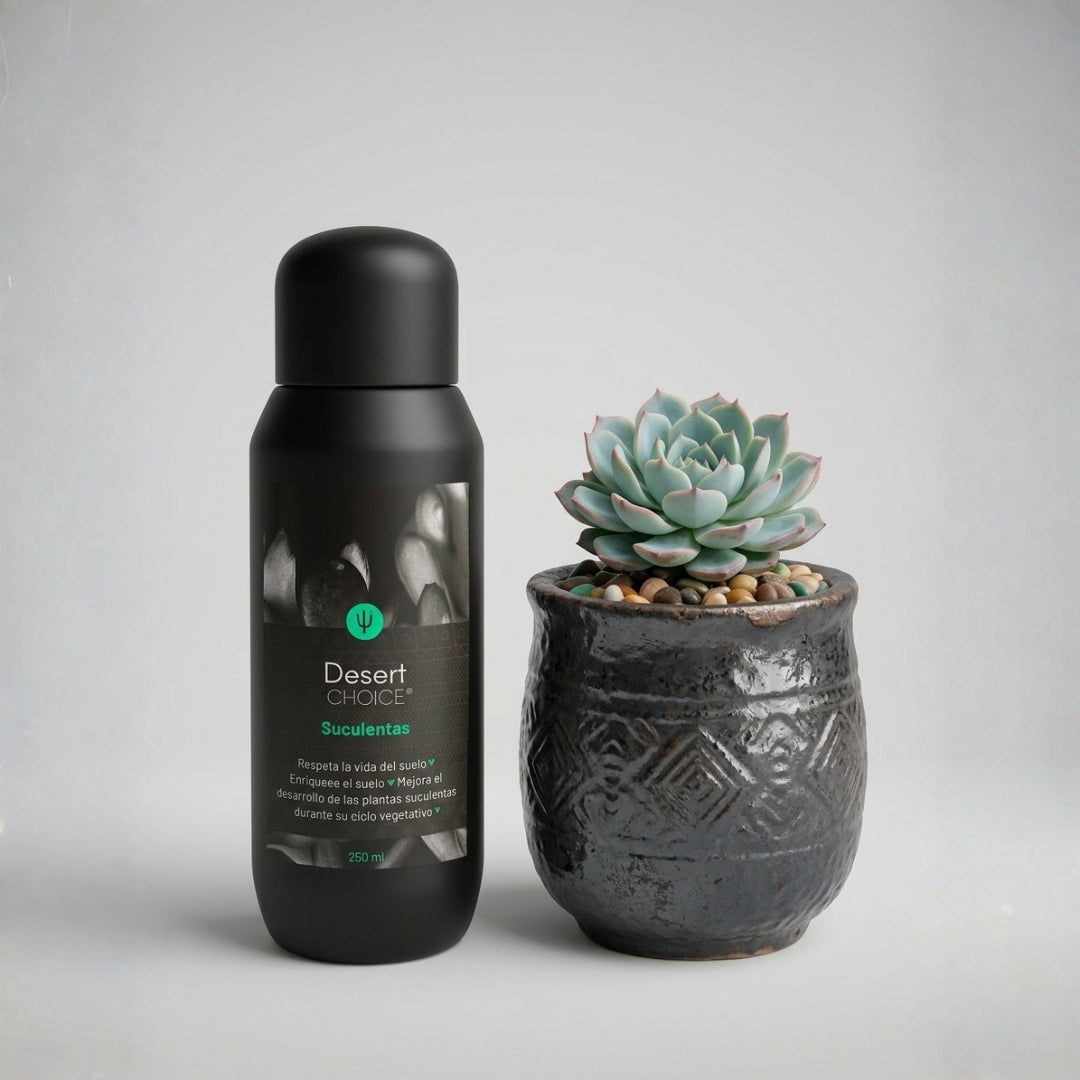
During active growth, Desert CHOICE® Cactaceae NPK (Ca-Mg) 4-4-7 (4-4) is recommended. Assimilable calcium promotes the formation of firm tissues and the maintenance of turgidity, while magnesium participates in chlorophyll synthesis.
🪴 DesertSTORE presentation
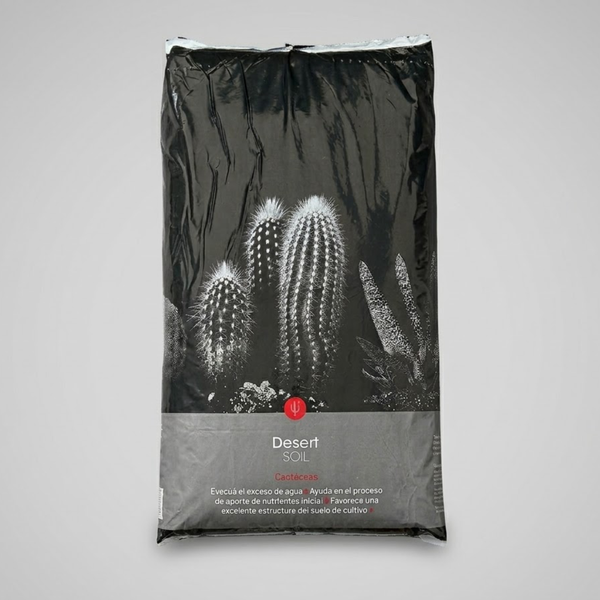
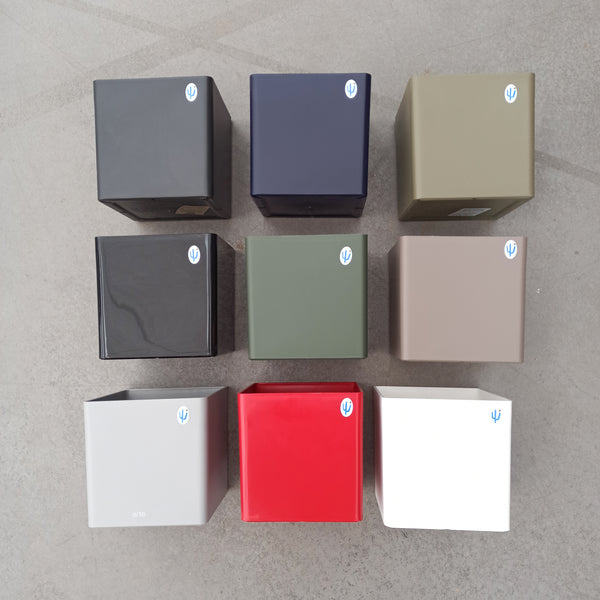
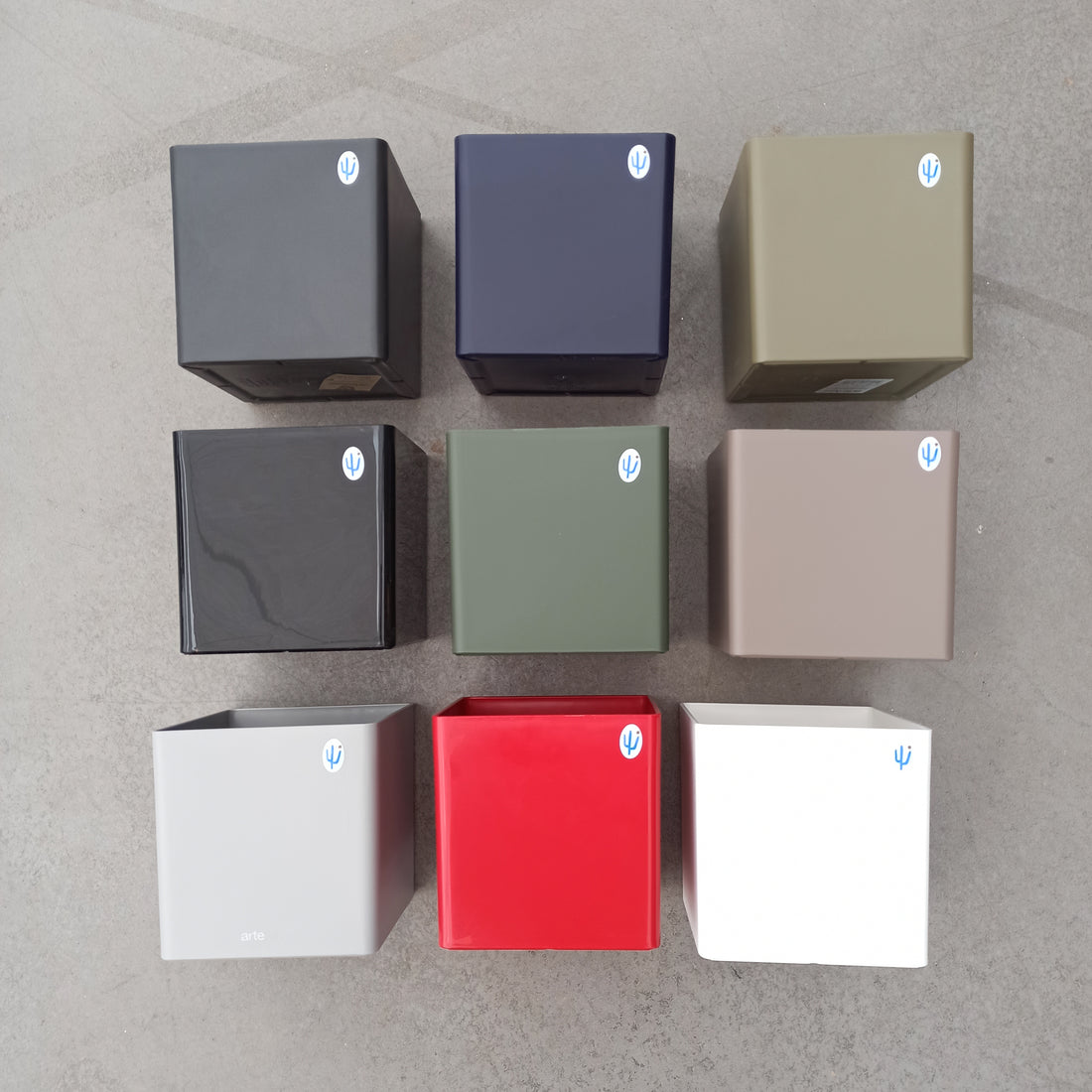
It is grown in a 9x9 cm gourmet black pot, with Desert SOIL substrate and biological activation using mycorrhizal fungi and biofungicides.
This is an inimitable xerophyte grown in Madrid in a technological square pot and with substrate activated with mycorrhizal fungi and biofungicides.
30-day money-back guarantee
Shop with complete peace of mind. If you are not satisfied, you have 30 days to return your order, no questions asked.
Expert advice with every purchase
Our team provides you with personalized advice on caring for your plants and growing media.
-
Secure and protected payment guaranteed.


Frequently Asked Questions
1. How do you ship plants without them getting damaged?
Each plant is individually packed with protective materials and packaging designed to prevent damage. This ensures that it arrives healthy and in perfect condition at your home.
2. How long will it take to receive my order?
The usual delivery time is 24/48 hours in the Peninsula. For orders placed before 2 PM, we usually prepare and ship on the same day. For orders shipped to Europe, you can check our shipping times here.
3. What happens if the plant arrives damaged?
If your plant suffers any problems during transport, you just have to write to us within the first 24 hours of reception and we will send you a quick solution: replacement or refund of the amount.
4. Do you offer a warranty on the plants?
Yes. In addition to our 30-day return policy, we guarantee that you will receive your plants in perfect condition and ready to thrive in their new home.
5. How do I know which plant is right for me?
On each plant profile, you'll find information on care, difficulty level, and watering and light needs. And if you have any questions, our expert team will guide you according to your space and experience.
6. Can I buy from outside the Peninsula?
We ship throughout the European Union.
7. What payment methods do you accept?
We accept credit or debit card payments, and if you come to our nursery in person, you can pay in cash.

Complete your oasis with these essentials
Discover accessories and complements that will make your plants shine and add a unique touch to your space.
-

Create your own oasis
Explore our cactus and succulent collections to transform your home with a unique touch.
-

Accessories that make a difference
Pots, substrates, and details designed to care for and enhance the beauty of your plants.


Products you've been viewing
