



























































Fouquieria splendens | Ocotillo
€47,70 €38,16
- 30-day returns, no hassle
- Free shipping to mainland Spain on orders from €79.99
- Guaranteed arrival: if it arrives damaged, we replace it
Description
Fouquieria splendens Engelm.
🌱 Morphology
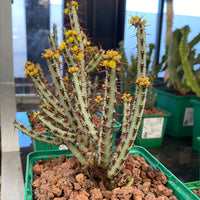
Red in the desert... A xerophytic semi-succulent and drought-deciduous shrub, with a very distinctive appearance. Numerous long, narrow, and almost always sparsely branched stems arise from a common base, which can reach approximately 2–6 m in height. In large specimens, dozens of stems can develop, forming an open, vase-shaped structure.
The stems are green when young and later develop a grayish, rough, and fissured bark. They have numerous spines of foliar origin, up to about 4 cm long, as the petioles of the leaves on the long stems harden and remain as spiny structures.
The leaves are small, fleshy, simple, and alternate, with an elliptical to obovate shape. They appear clustered on small lateral shoots located at the base of the spines. The plant can lose its leaves completely during dry periods and quickly regrow them after rain. Under favorable conditions, it can repeat this process several times a year.
🌍 Distribution, habitat, and family
Family Fouquieriaceae. It is native to the southwestern United States and northern and western Mexico, from California, Nevada, Arizona, New Mexico, and Texas to various regions of Mexico. Kew places it mainly in the desert and dry scrubland biomes.
It grows in the Sonoran Desert, Mojave Desert, and especially the Chihuahuan Desert, generally on rocky slopes, sandy or stony soils, and very well-drained ground.
Its strategy for dealing with drought differs from that of a cactus: the stems are moderately succulent and photosynthetic, while the leaves are produced only when water is available. The Fouquieriaceae family is considered morphologically intermediate between xeromorphic shrubs and plants with truly succulent stems.
❄️ Temperature
USDA Zone 8b Tolerates minimum temperatures of up to approximately −10 ºC, and may occasionally withstand temperatures close to −12 ºC in well-established specimens that are kept dry. Oregon State University places the species in USDA Zone 8, and various specialized U.S. sources agree on a tolerance of approximately 10 °F, equivalent to about −12 ºC.
Cold tolerance decreases in young plants, newly transplanted plants, or plants exposed to winter moisture. In cultivation, it is recommended to keep it very dry during cold spells, as the combination of low temperatures and wet tissues considerably increases the risk of damage and rot.
☀️ Lighting
Approximate DLI PAR: 20–30 mol·m⁻²·day⁻¹.
It requires very high light levels and responds especially well to direct sunlight. Intense radiation promotes compact stems, a well-defined architectural structure, and adequate leaf production after rainfall.
In cultivation, it should be gradually acclimated to direct sunlight if it comes from protected conditions.
💧 Growth cycle and watering
Its water strategy is one of the species' most extraordinary characteristics. It does not necessarily retain its leaves throughout an entire season: it quickly produces them when water is available and loses them when drought returns. It can even produce and lose several generations of leaves in the same year if rain and drought alternate.
Therefore, it behaves as an opportunistic xerophyte, capable of quickly becoming active when water is available.
During the growing period, it is recommended to water abundantly and let the substrate dry out completely before the next watering. If it retains its leaves and is actively growing, it can be watered when the substrate is completely dry.
During drought periods and when it loses its leaves, watering should be drastically reduced. In winter, especially at low temperatures, it is recommended to keep it practically dry.
The temporary absence of leaves does not necessarily mean that the plant is dead: it is a normal adaptation to reduce transpiration when water is no longer available. Under suitable conditions, it can quickly regrow leaves after rain.
🌸 Flowering
The flowers appear clustered in dense terminal inflorescences located at the ends of mature stems. They are tubular, approximately 2 cm long, with a striking scarlet-red to orange-red color, and stand out clearly from the branches.
Flowering usually occurs after rainfall and mainly during spring and summer, although it can also appear in autumn when there is sufficient rainfall. In its natural area, it can begin approximately between March and May and continue throughout the summer.
The flowers are especially important for desert wildlife and are visited by hummingbirds, bees, and other pollinators. After flowering, it develops three-chambered capsules with winged seeds that facilitate wind dispersal.
🌿 Nutrition
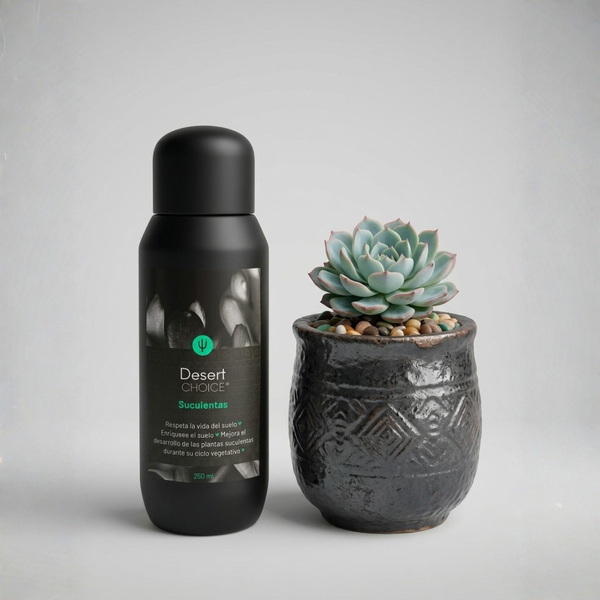
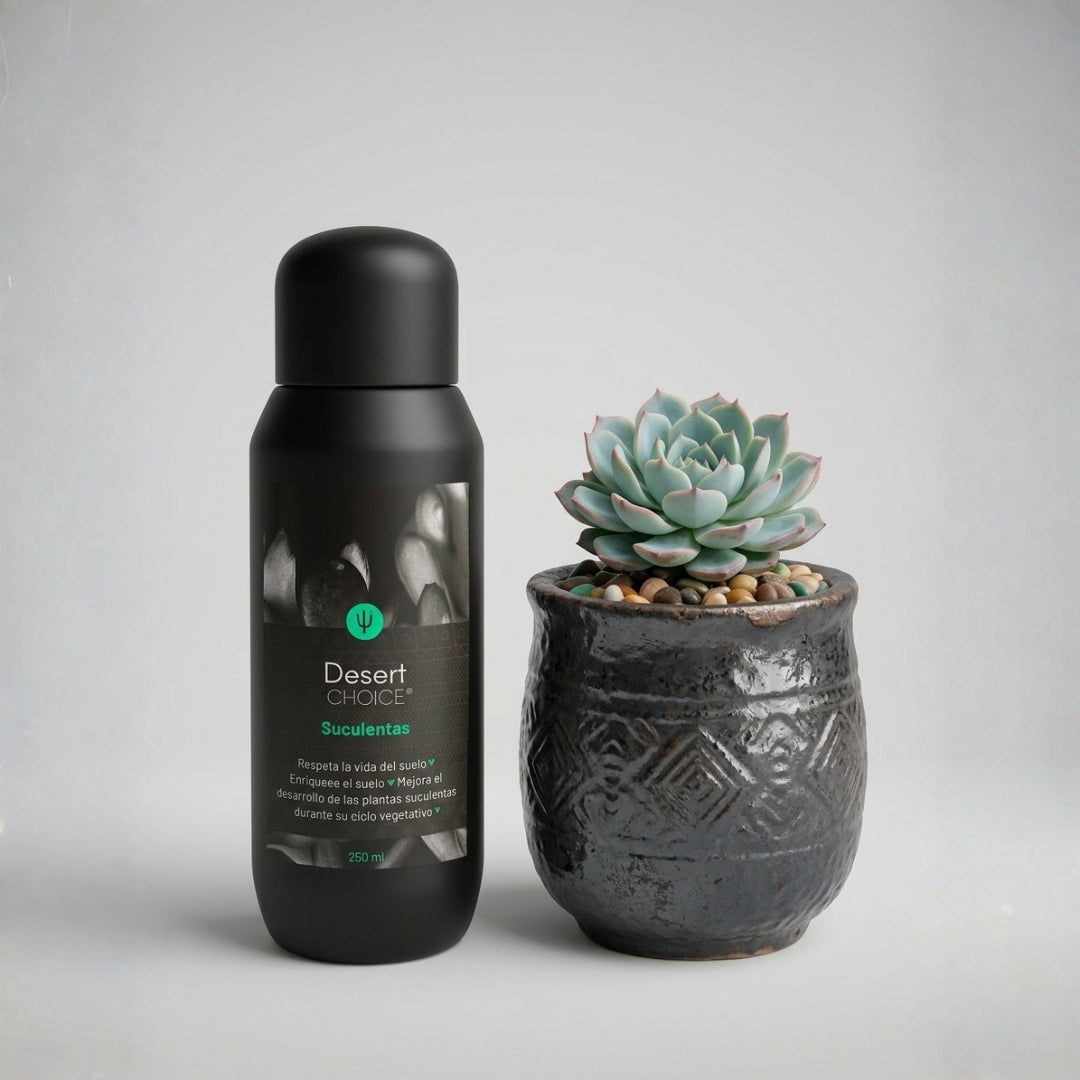
During periods of active growth, Desert CHOICE® Succulents is recommended, applied after watering. It can be supplemented with Desert CHOICE® Flowering before and during inflorescence formation.
It is not recommended to fertilize when the plant is without leaves, dormant, or exposed to low temperatures.
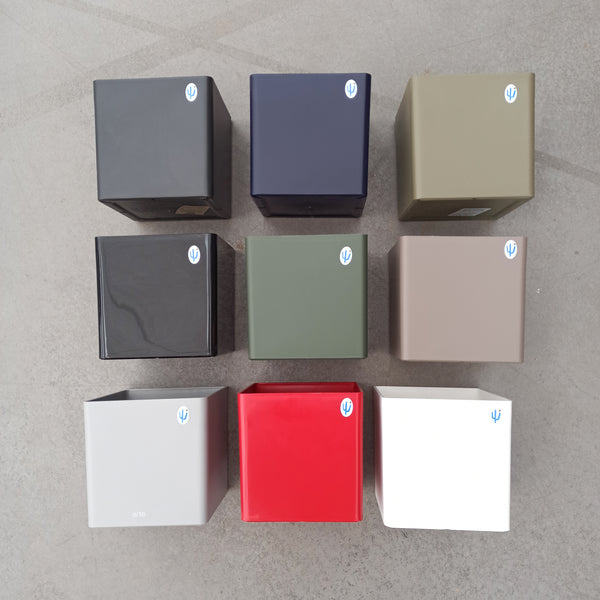
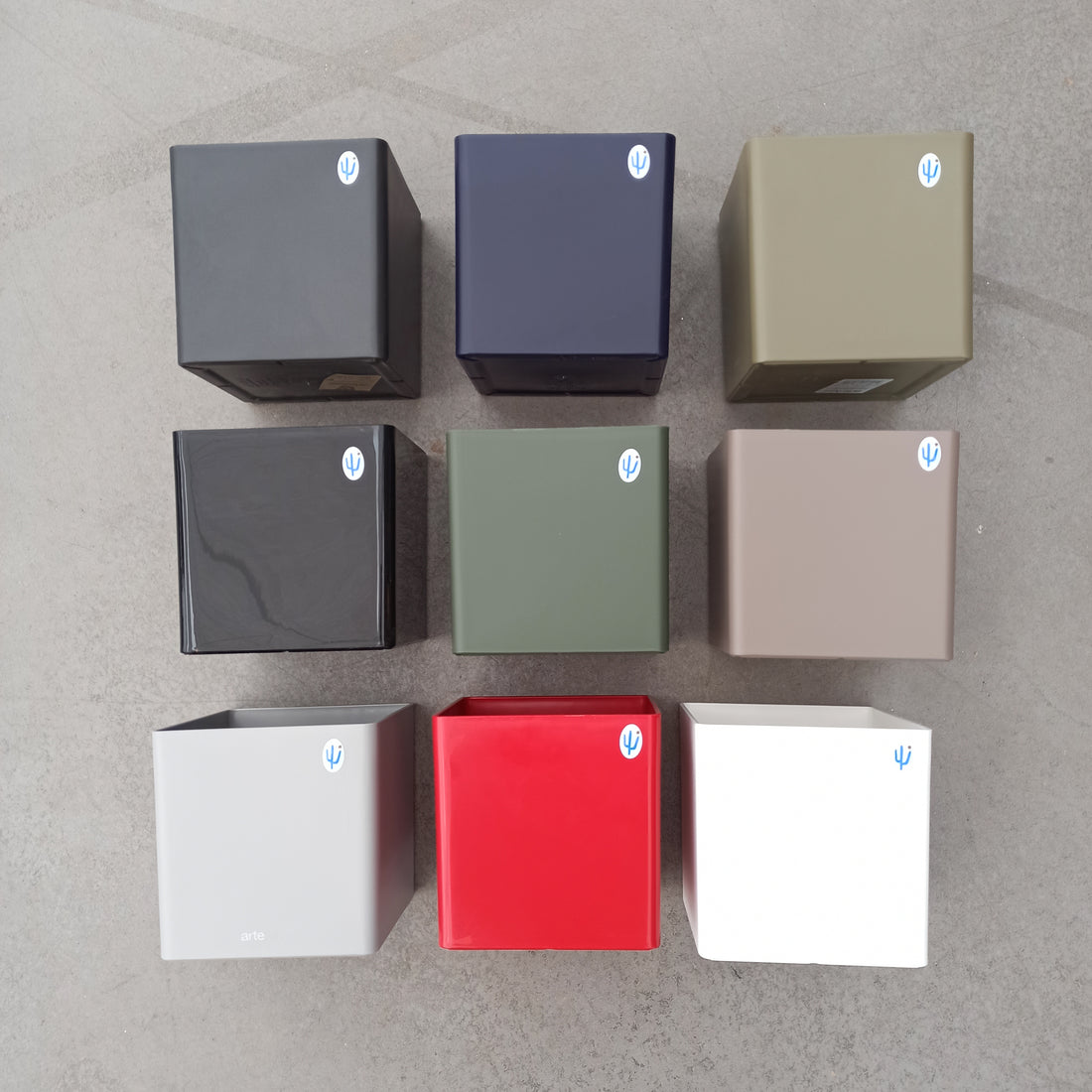
This is an inimitable xerophyte grown in Madrid in a high-tech square pot with a substrate activated with mycorrhizal fungi and biofungicides.
Pot size: 16 × 16 cm. Branched plants
* As this is an online purchase, the appearance of the sent specimen may vary slightly from the product image. The photo description specifies the plant's measurements, but these may also vary slightly because it is a living thing! Each of the Desert CITY plants has unique characteristics.
30-day money-back guarantee
Shop with complete peace of mind. If you are not satisfied, you have 30 days to return your order, no questions asked.
Expert advice with every purchase
Our team provides you with personalized advice on caring for your plants and growing media.
-
Secure and protected payment guaranteed.


Frequently Asked Questions
1. How do you ship plants without them getting damaged?
Each plant is individually packed with protective materials and packaging designed to prevent damage. This ensures that it arrives healthy and in perfect condition at your home.
2. How long will it take to receive my order?
The usual delivery time is 24/48 hours in the Peninsula. For orders placed before 2 PM, we usually prepare and ship on the same day. For orders shipped to Europe, you can check our shipping times here.
3. What happens if the plant arrives damaged?
If your plant suffers any problems during transport, you just have to write to us within the first 24 hours of reception and we will send you a quick solution: replacement or refund of the amount.
4. Do you offer a warranty on the plants?
Yes. In addition to our 30-day return policy, we guarantee that you will receive your plants in perfect condition and ready to thrive in their new home.
5. How do I know which plant is right for me?
On each plant profile, you'll find information on care, difficulty level, and watering and light needs. And if you have any questions, our expert team will guide you according to your space and experience.
6. Can I buy from outside the Peninsula?
We ship throughout the European Union.
7. What payment methods do you accept?
We accept credit or debit card payments, and if you come to our nursery in person, you can pay in cash.

Complete your oasis with these essentials
Discover accessories and complements that will make your plants shine and add a unique touch to your space.
-

Create your own oasis
Explore our cactus and succulent collections to transform your home with a unique touch.
-

Accessories that make a difference
Pots, substrates, and details designed to care for and enhance the beauty of your plants.


Products you've been viewing
