




























































Aylostera hoffmannii | Aylostera with two-colored flowers
€10,60 €8,48
- 30-day returns, no hassle
- Free shipping to mainland Spain on orders from €79.99
- Guaranteed arrival: if it arrives damaged, we replace it
Description
Aylostera hoffmannii (Diers & Rausch) Mosti & Papini
🌱 Morphology
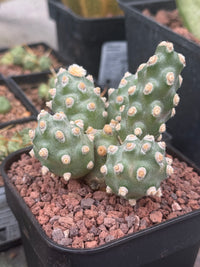
Small, globose cactus, initially solitary in growth, which may elongate slightly with age and produce numerous basal offsets, forming compact clumps. The body, light green in color and up to about 3.5 cm in diameter, has approximately 23 ribs arranged in a spiral and divided into small tubercles measuring 2–3 mm. The rounded areoles, covered with whitish or brown wool, produce around 40 fine, flexible spines that extend radially and measure 5–10 mm in length. They are glassy white, often with brown tips, and densely cover the epidermis, giving it a silky, shiny appearance.
🌍 Distribution, habitat and family
It is native to the border region between northwestern Argentina and southern Bolivia. The classic locality for the species is near Santa Victoria, in the Argentine province of Salta, and populations are known in the Bolivian department of Tarija. It inhabits mountainous areas at altitudes of approximately 2,300–2,500 m, in open, arid environments with marked daily temperature fluctuations.
It was originally described by Lothar Diers and Walter Rausch in 1977 as Rebutia hoffmannii. In 2011, Mosti and Papini made the nomenclatural combination that resulted in the current name, Aylostera hoffmannii.
Family: Cactaceae · Subfamily: Cactoideae · Tribe: Trichocereeae.
❄️ Temperature · USDA Zone 8b
It tolerates minimum temperatures close to −7 °C if well acclimated and kept completely dry. Its mountainous origin gives it some cold resistance, but prolonged frosts and substrate moisture during winter should be avoided.
☀️ Lighting
It needs intense light to maintain compact growth and develop its characteristic dense white spines. It benefits from direct sunlight with gradual acclimation and good ventilation. As a reference, a PAR DLI of 18–25 mol·m⁻²·day⁻¹ is recommended, adjusted to the temperature and the plant's response.
💧 Growth cycle and watering
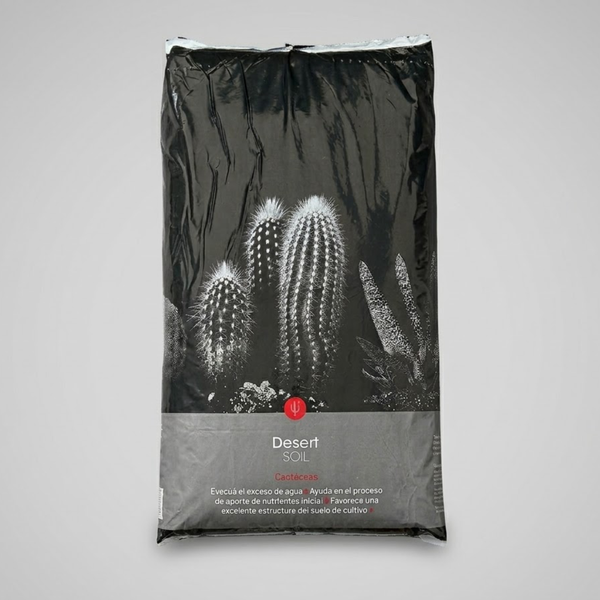
Its growth is concentrated mainly during spring and summer. Water thoroughly when the substrate is completely dry and allow it to dry out again before the next watering. It needs a mineral, airy, fast-draining mix that prevents moisture from accumulating around the roots.
Winter dormancy. Keep practically dry during the cold months. A cool, bright, dry rest period promotes the formation of flower buds and prepares the plant for the next season.
🌸 Flowering
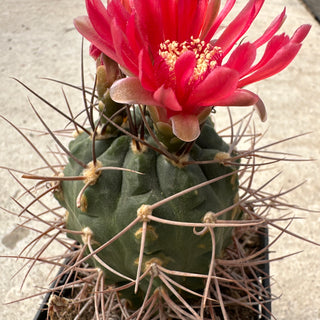
It produces large flowers in proportion to the size of the cactus, which can reach about 4 cm in length and 4.5 cm in diameter. They are broadly bell-shaped and feature a very characteristic color combination: the outer segments are pink with purple hues, while the inner petals are a deep orange color. The throat, filaments, and style are white. Flowering occurs mainly during spring and can be particularly abundant in well-established adult specimens.
🌿 Nutrition
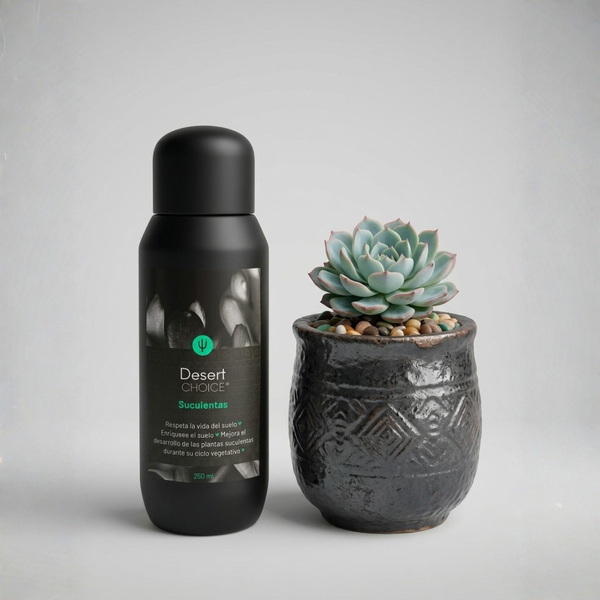
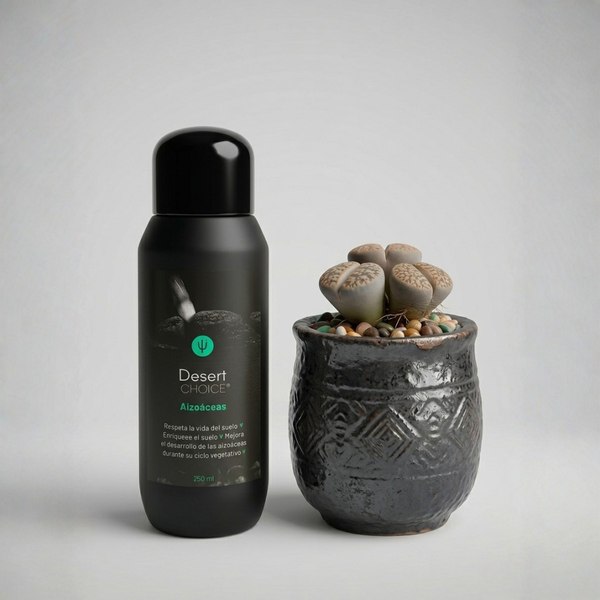
During active growth, Desert CHOICE® Cactaceae NPK (Ca-Mg) 4-4-7 (4-4) is recommended. Assimilable calcium promotes the formation of firm tissues and the maintenance of turgidity, while magnesium participates in chlorophyll synthesis.
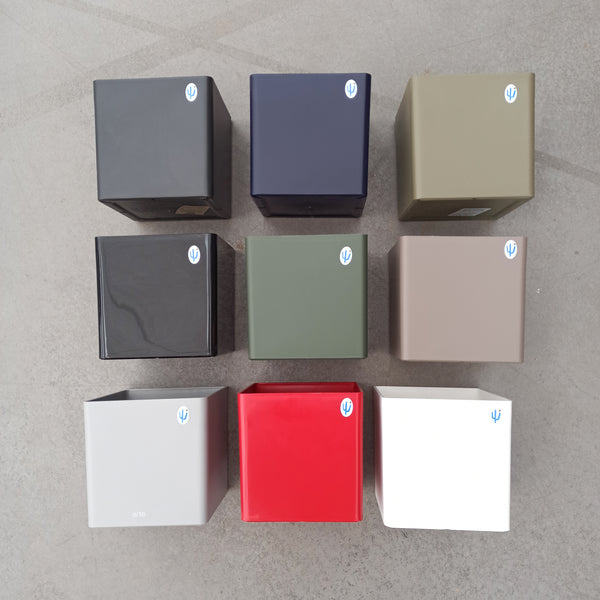
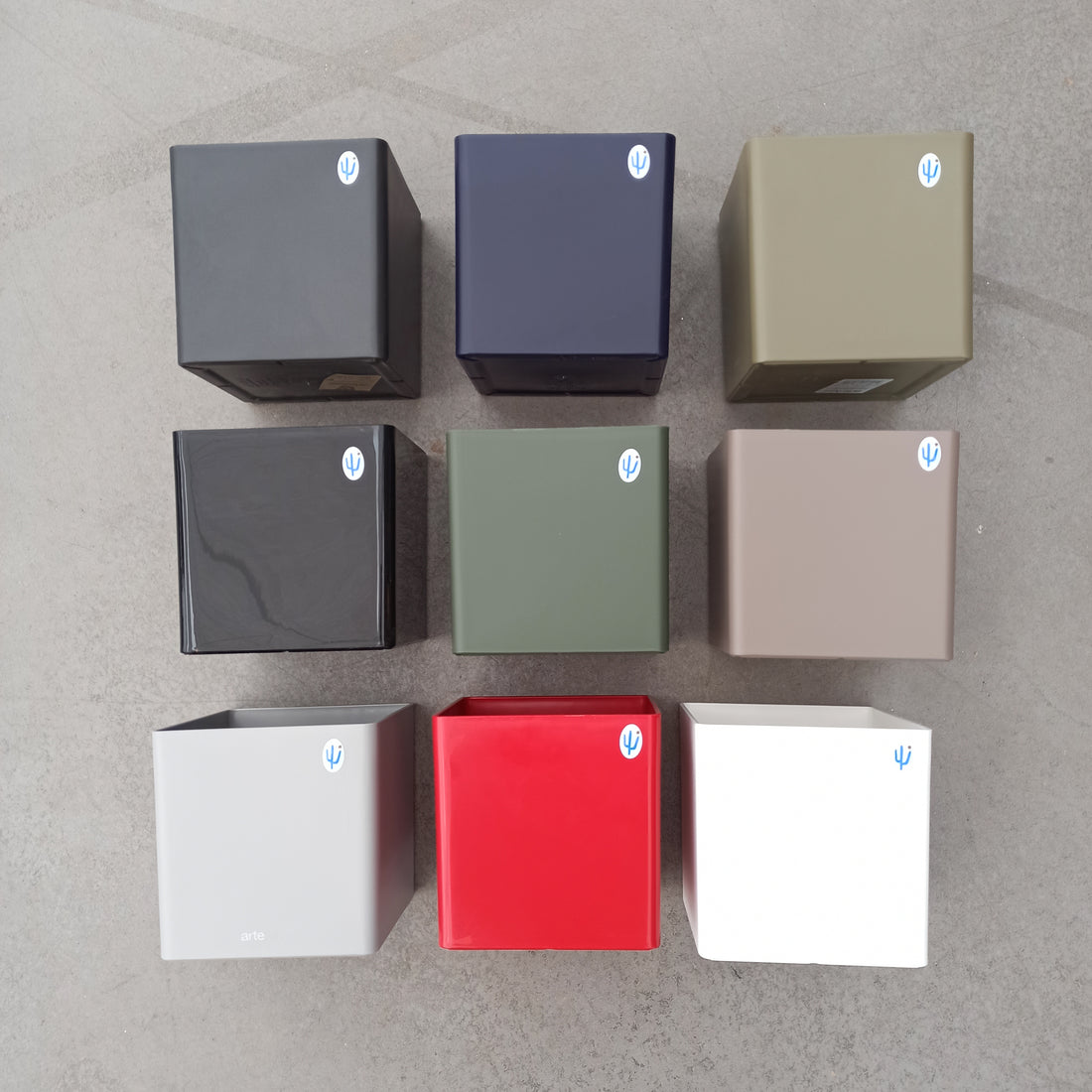
This is an inimitable xerophyte grown in Madrid in a technological square pot and with the substrate activated with mycorrhizal fungi and biofungicides.
9x9 cm pot
30-day money-back guarantee
Shop with complete peace of mind. If you are not satisfied, you have 30 days to return your order, no questions asked.
Expert advice with every purchase
Our team provides you with personalized advice on caring for your plants and growing media.
-
Secure and protected payment guaranteed.


Frequently Asked Questions
1. How do you ship plants without them getting damaged?
Each plant is individually packed with protective materials and packaging designed to prevent damage. This ensures that it arrives healthy and in perfect condition at your home.
2. How long will it take to receive my order?
The usual delivery time is 24/48 hours in the Peninsula. For orders placed before 2 PM, we usually prepare and ship on the same day. For orders shipped to Europe, you can check our shipping times here.
3. What happens if the plant arrives damaged?
If your plant suffers any problems during transport, you just have to write to us within the first 24 hours of reception and we will send you a quick solution: replacement or refund of the amount.
4. Do you offer a warranty on the plants?
Yes. In addition to our 30-day return policy, we guarantee that you will receive your plants in perfect condition and ready to thrive in their new home.
5. How do I know which plant is right for me?
On each plant profile, you'll find information on care, difficulty level, and watering and light needs. And if you have any questions, our expert team will guide you according to your space and experience.
6. Can I buy from outside the Peninsula?
We ship throughout the European Union.
7. What payment methods do you accept?
We accept credit or debit card payments, and if you come to our nursery in person, you can pay in cash.

Complete your oasis with these essentials
Discover accessories and complements that will make your plants shine and add a unique touch to your space.
-

Create your own oasis
Explore our cactus and succulent collections to transform your home with a unique touch.
-

Accessories that make a difference
Pots, substrates, and details designed to care for and enhance the beauty of your plants.


Products you've been viewing
