






























































Agave oteroi | Sierra Mixteca Maguey
€21,20 €18,02
- 30-day returns, no hassle
- Free shipping to mainland Spain on orders from €79.99
- Guaranteed arrival: if it arrives damaged, we replace it
Description
Agave oteroi G.D.Starr & T.J.Davis
🌱 Morphology
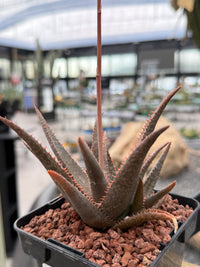
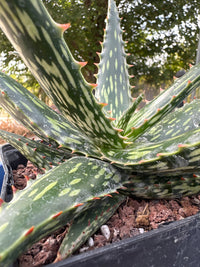
Slow- to moderate-growing agave, solitary or with a tendency to produce basal offsets, which develops an open or compact rosette approximately 30–70 cm tall and 50–100 cm in diameter. It has between 20 and 50 rigid, thick and fleshy leaves, 25–45 cm long and 9–14 cm wide, obovate to oblanceolate, generally widest above the middle. They are medium green to dark green, sometimes with a characteristic yellowish-green central longitudinal stripe. The margins are wavy and bear extraordinarily well-developed horny teeth, 2–30 mm long, irregular, straight or curved, reddish brown on young leaves and turning greyish with age. The terminal spine measures 2–3 cm and stands out for the broad horny extension that runs down the underside of the leaf. It is one of the most spectacular agaves for its teeth and leaf architecture.
🌍 Distribution, habitat and family
It is native to the Sierra Mixteca, between the Mexican states of Oaxaca and Puebla, where it is found mainly in the basin of the Río Hondo and its tributary ravines. It grows at approximately 975 to 1,160 m above sea level at its type locality, on open slopes, rocky outcrops and shallow soils, in tropical deciduous forest and xerophytic scrub. It grows alongside other agaves such as Agave kerchovei and Agave titanota, with which it can form natural hybrids. It was described in 2019 and named after Felipe Otero, who collected its first seeds in 1984 under collection number FO-076.
Order Asparagales · Family Asparagaceae · Subfamily Agavoideae · Tribe Agaveae.
❄️ Temperature · USDA Zone 9b
It tolerates minimum temperatures of approximately −4 ºC for short periods and with the substrate completely dry. It is less cold-hardy than Agave titanota and should be protected from prolonged frost and, above all, from the combination of cold and moisture.
☀️ Light
It needs plenty of light and direct sun to develop compact leaves and well-defined teeth. It tolerates some partial shade, although lack of light can cause more open growth and less robust leaves. A PAR radiation of 20–30 mol·m⁻²·day⁻¹ (DLI) is recommended.
💧 Growth cycle and watering
Winter dormancy. Growth mainly in spring and summer. During the active period, water generously and let the substrate dry out completely before the next watering. In autumn, gradually reduce watering, and keep it practically dry over winter. Rainfall in its habitat is markedly seasonal.
🌸 Flowering
It is monocarpic: it flowers only once and the rosette dies after producing seed, although it can carry on through its offsets. It develops a flower stalk approximately 2.4–3.5 m tall, with a spike-like inflorescence densely packed with yellow to greenish-yellow flowers, occasionally tinged red or purple. In the wild it flowers mainly between December and February, and fruits between February and June.
🌿 Nutrition
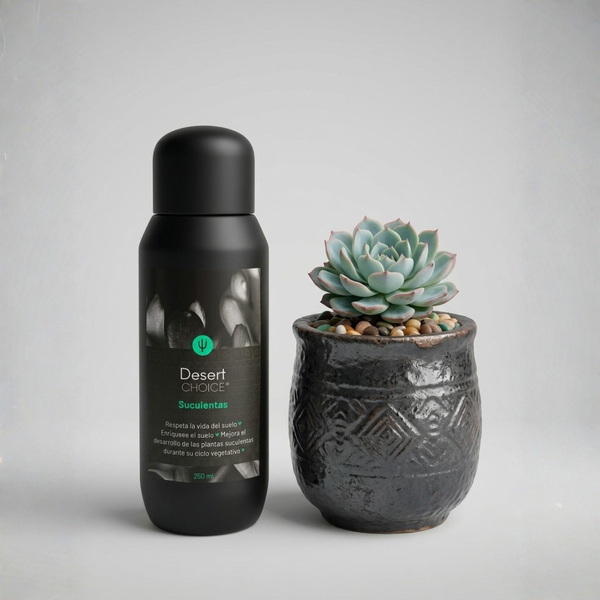
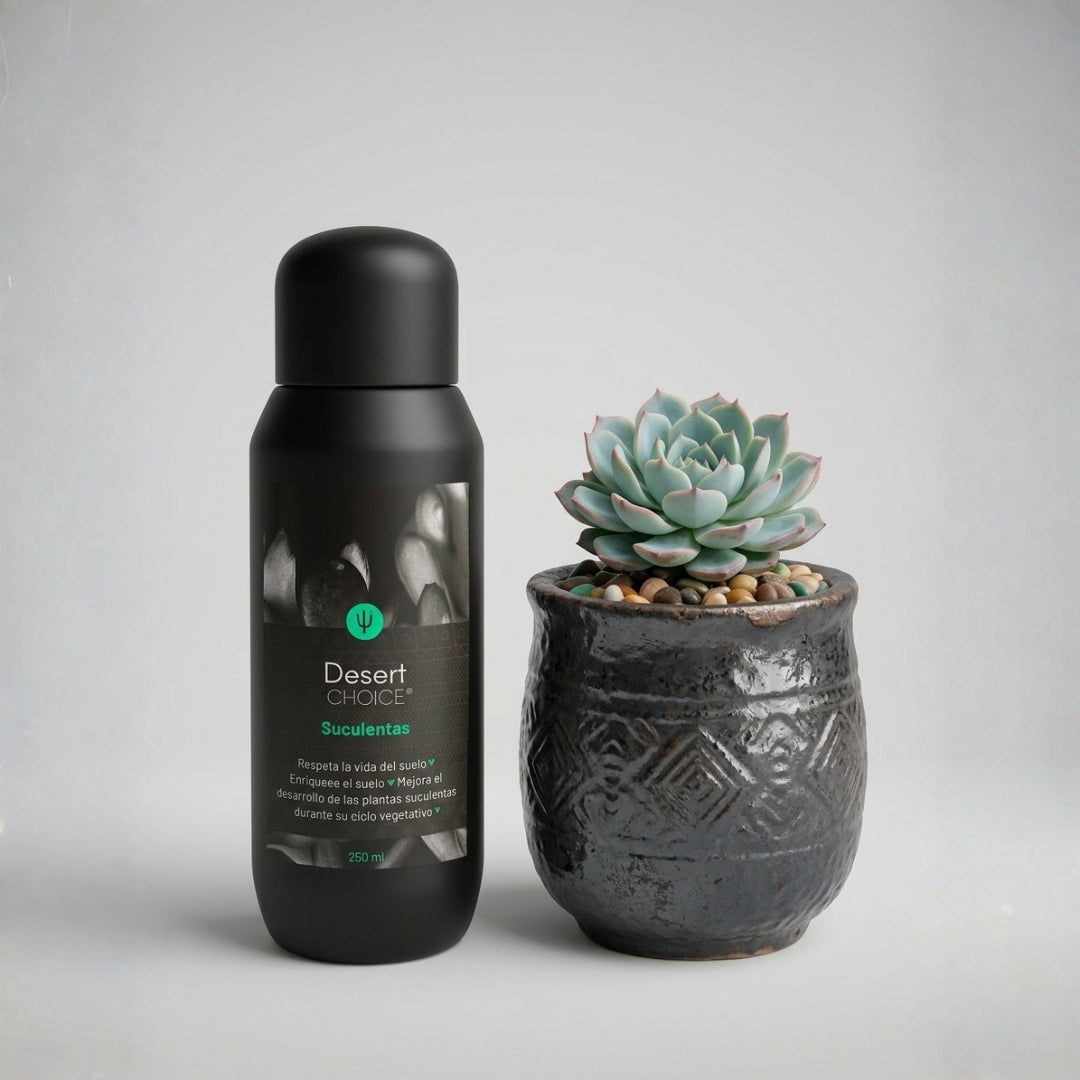
During active growth we recommend Desert CHOICE® Succulents, especially for its supply of potassium and assimilable calcium. Potassium supports water regulation and tissue resistance to stress, while calcium helps keep the leaves firm and the rosette structurally strong.
🪴 Pot
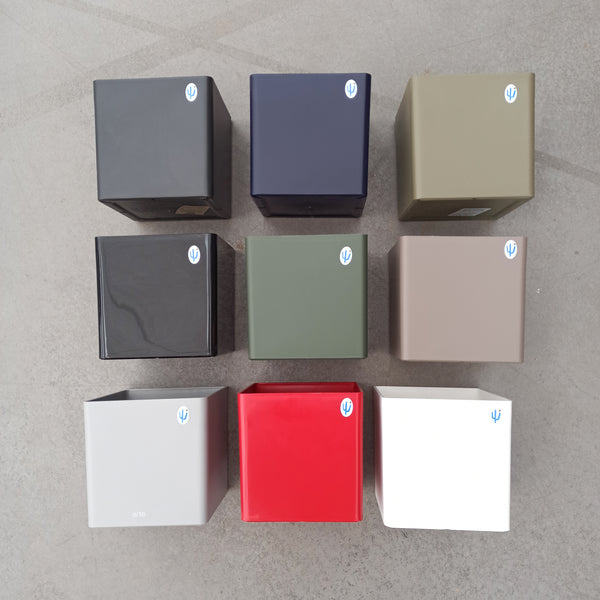
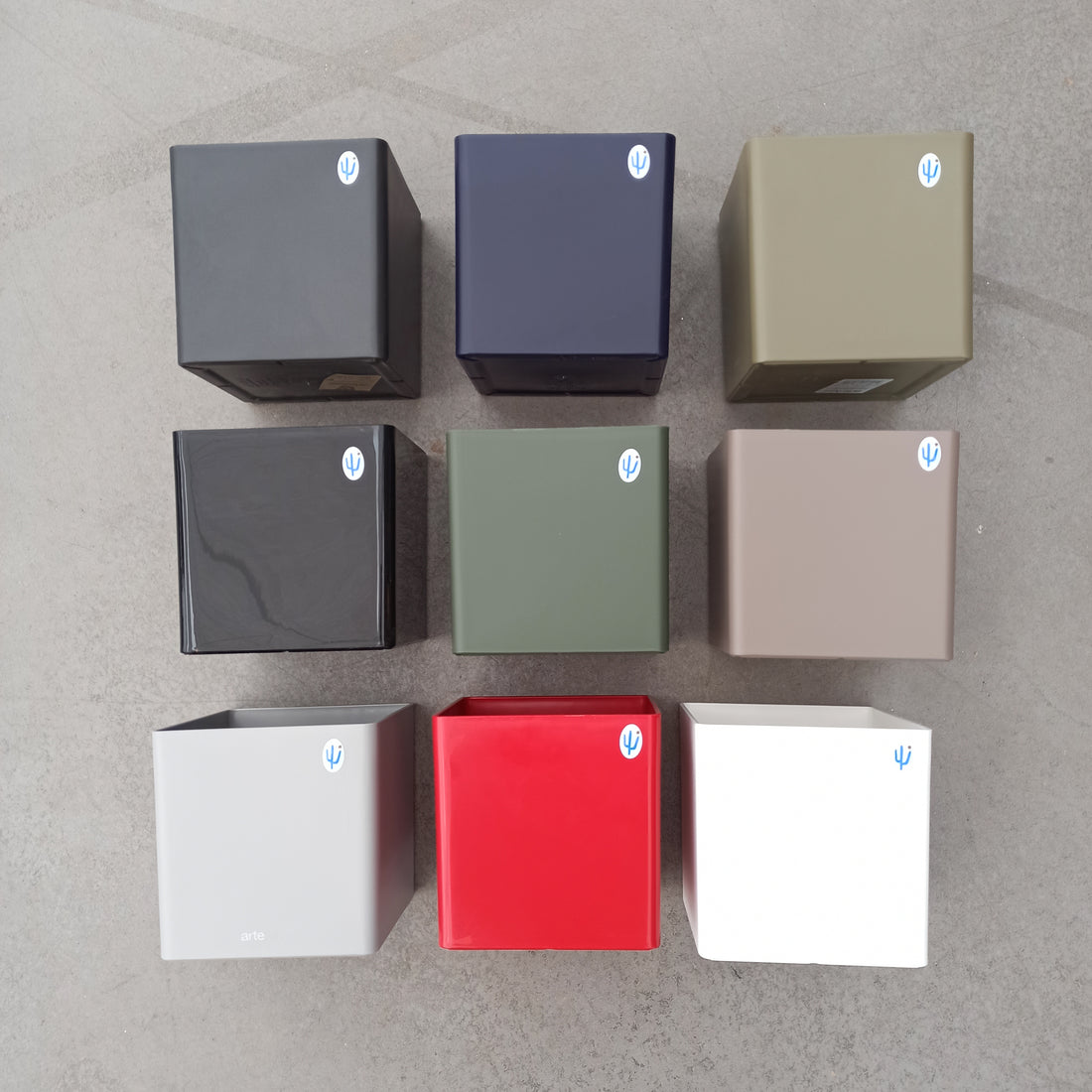
Black gourmet pot, 15x15 cm and 10x10 cm
This is an inimitable xerophyte grown in Madrid in a high-tech square pot, with substrate activated with mycorrhizal fungi and biofungicides.
30-day money-back guarantee
Shop with complete peace of mind. If you are not satisfied, you have 30 days to return your order, no questions asked.
Expert advice with every purchase
Our team provides you with personalized advice on caring for your plants and growing media.
-
Secure and protected payment guaranteed.


Frequently Asked Questions
1. How do you ship plants without them getting damaged?
Each plant is individually packed with protective materials and packaging designed to prevent damage. This ensures that it arrives healthy and in perfect condition at your home.
2. How long will it take to receive my order?
The usual delivery time is 24/48 hours in the Peninsula. For orders placed before 2 PM, we usually prepare and ship on the same day. For orders shipped to Europe, you can check our shipping times here.
3. What happens if the plant arrives damaged?
If your plant suffers any problems during transport, you just have to write to us within the first 24 hours of reception and we will send you a quick solution: replacement or refund of the amount.
4. Do you offer a warranty on the plants?
Yes. In addition to our 30-day return policy, we guarantee that you will receive your plants in perfect condition and ready to thrive in their new home.
5. How do I know which plant is right for me?
On each plant profile, you'll find information on care, difficulty level, and watering and light needs. And if you have any questions, our expert team will guide you according to your space and experience.
6. Can I buy from outside the Peninsula?
We ship throughout the European Union.
7. What payment methods do you accept?
We accept credit or debit card payments, and if you come to our nursery in person, you can pay in cash.

Complete your oasis with these essentials
Discover accessories and complements that will make your plants shine and add a unique touch to your space.
-

Create your own oasis
Explore our cactus and succulent collections to transform your home with a unique touch.
-

Accessories that make a difference
Pots, substrates, and details designed to care for and enhance the beauty of your plants.


Products you've been viewing
