



























































Rhipsalis baccifera | Mistletoe cactus
€7,95 €5,97
- 30-day returns, no hassle
- Shipping to mainland Spain: €5.95 · free from €79.99
- Guaranteed arrival: if it arrives damaged, we replace it
Description
Rhipsalis baccifera (J.S.Muell.) Stearn
Morphology
A trailing epiphytic cactus that is highly branched, it can develop stems over 1 m long in cultivation and reach several meters in its natural habitat. Its cylindrical, slender, jointed branches, ranging from light green to glaucous green, measure approximately 2–6 mm in diameter and may produce aerial roots when they encounter moisture. The areoles are small and scattered; young branches may have tiny bristles that usually disappear with age. Unlike most cacti, it lacks rigid spines. Its spherical, translucent, white or pink fruits resemble small pearls and give rise to its common name.
Distribution, habitat and family
It has an extraordinarily wide distribution: from Florida, Mexico, Central America, the Caribbean and much of South America to tropical regions of Africa, Madagascar, the islands of the Indian Ocean and Sri Lanka. It is the only cactus with a recognized natural distribution in the Old World, in addition to the Americas. It grows on the trunks and branches of trees in humid tropical forests, although it can also grow on humus-covered rocks. As an epiphyte, it uses the tree as support without parasitizing it, obtaining water and nutrients from rain, organic debris and the environment.
Family: Cactaceae · Subfamily: Cactoideae · Tribe: Rhipsalideae.
Temperature · USDA Zone 10a
It is a tropical species that prefers mild, stable temperatures. It can tolerate brief drops to approximately 5 °C if dry and protected, but it is not suitable for frost. In Mediterranean climates, it is recommended to grow it indoors in a bright location, in a temperate greenhouse or outdoors in a sheltered spot during the warm months.
Lighting
It needs abundant but indirect light, similar to what it receives under the canopy of tropical trees. Intense direct sunlight can cause scorching and reddening of the stems. As a guideline, an approximate PAR DLI of 6–12 mol·m⁻²·day⁻¹ is recommended, maintaining good ventilation and moderate to high ambient humidity.
Growth cycle and watering
Unlike desert cacti, it comes from ecosystems where ambient humidity is relatively high. During active growth, it is recommended to water when the top layer of the substrate begins to dry out, without allowing the root ball to become waterlogged. It needs a light, airy substrate rich in stable organic matter, with excellent drainage. Hanging pots allow its long branches to develop and reproduce its natural habit.
Winter dormancy. In cooler conditions, its activity decreases, and watering should be spaced out without allowing the stems to become excessively dehydrated for prolonged periods. Cold combined with waterlogged substrate should be avoided.
Flowering
It produces small white or greenish-white flowers, a few millimeters in size, which emerge individually or in small groups along the stems. They can appear from winter to spring and, under favorable conditions, at other times of the year. After flowering, fleshy, translucent, white or pink fruits develop, containing small black seeds and aiding their dispersal by birds.
Nutrition
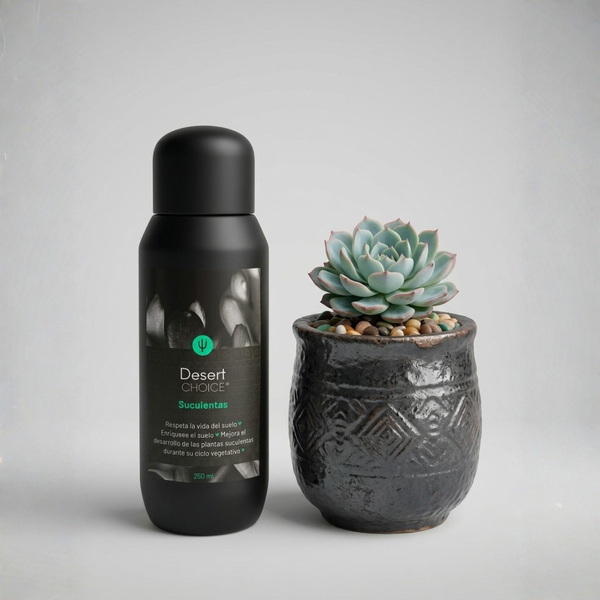
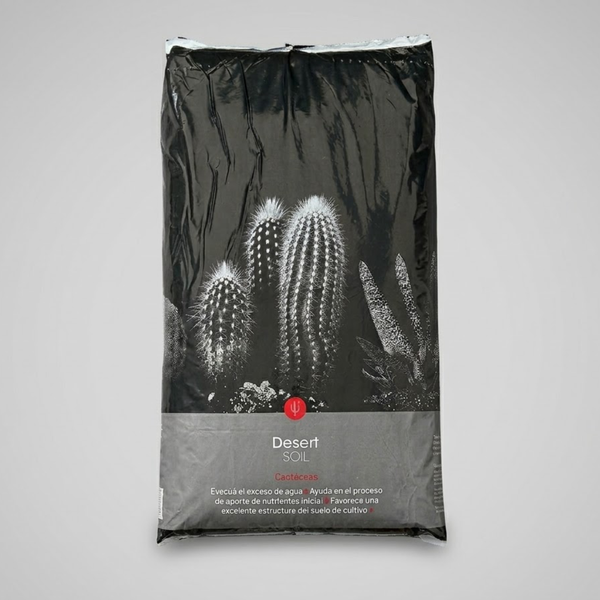
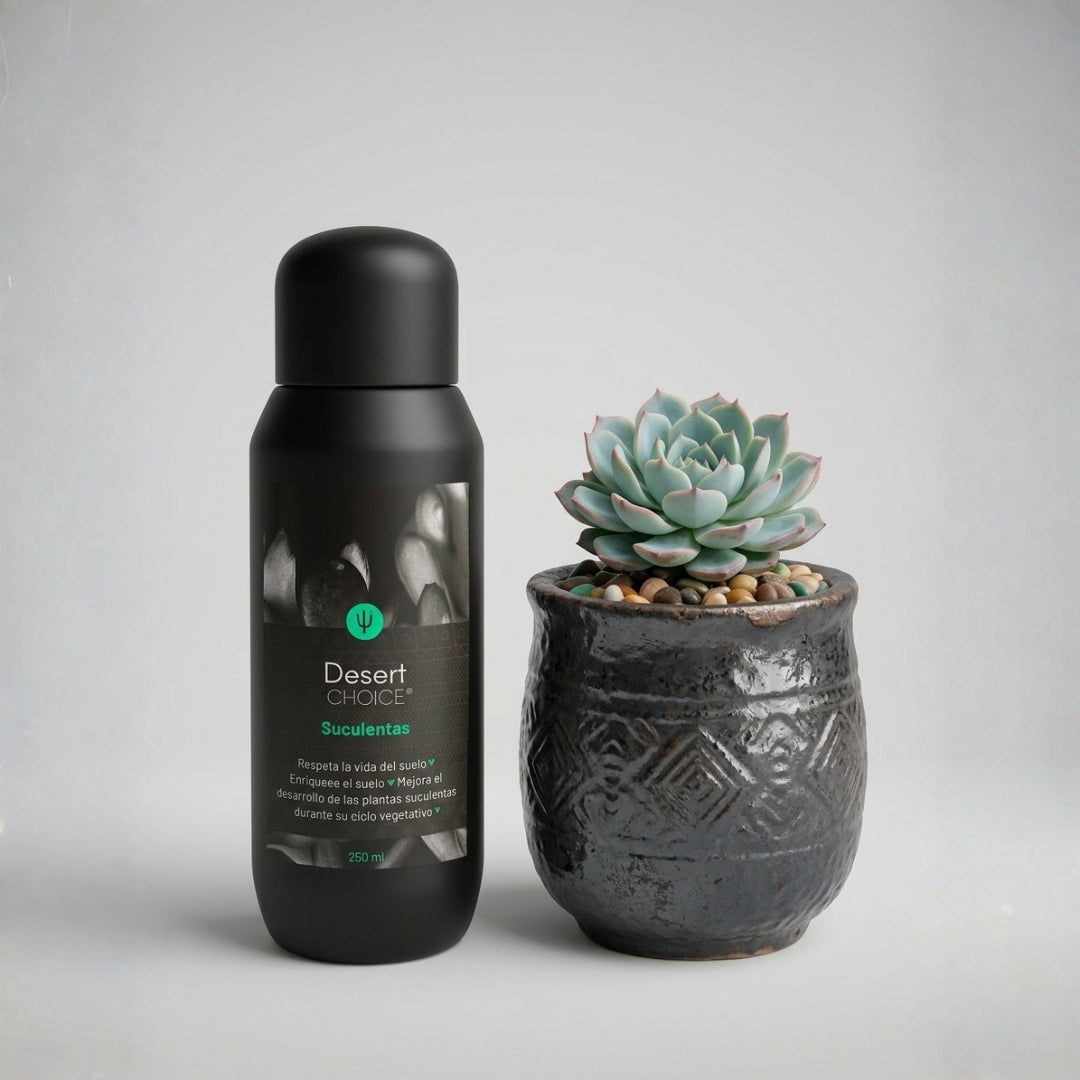
During active growth, Desert CHOICE® Cactaceae NPK (Ca-Mg) 4-4-7 (4-4) is recommended. Assimilable calcium promotes the formation of firm tissues and the maintenance of turgidity, while magnesium participates in chlorophyll synthesis. In this epiphytic species, the fertilizer should be applied moderately and to the previously moistened substrate.
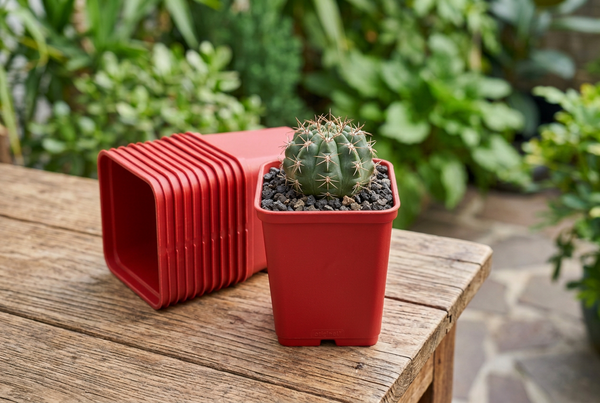
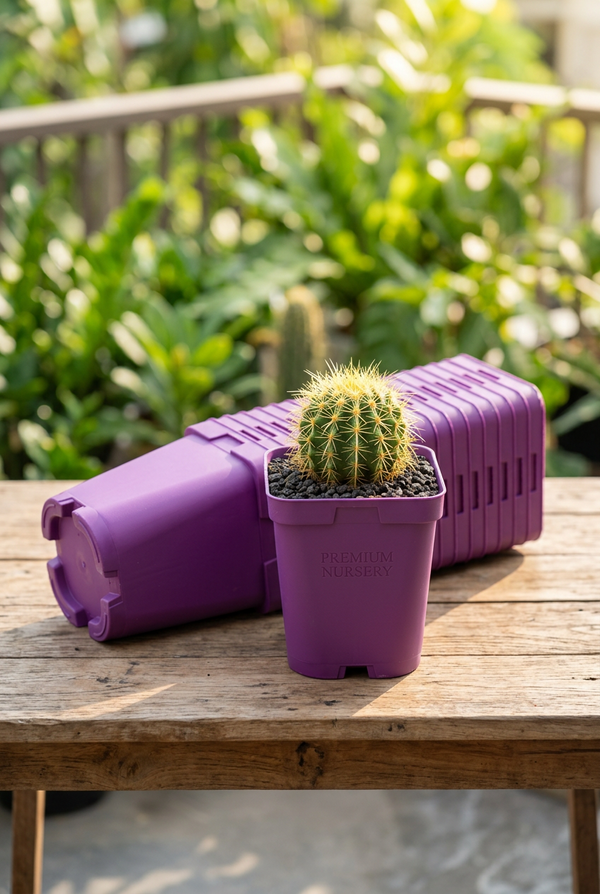
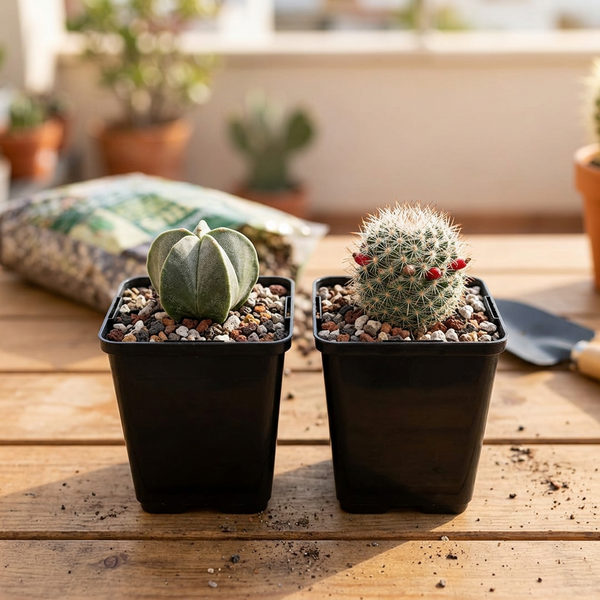
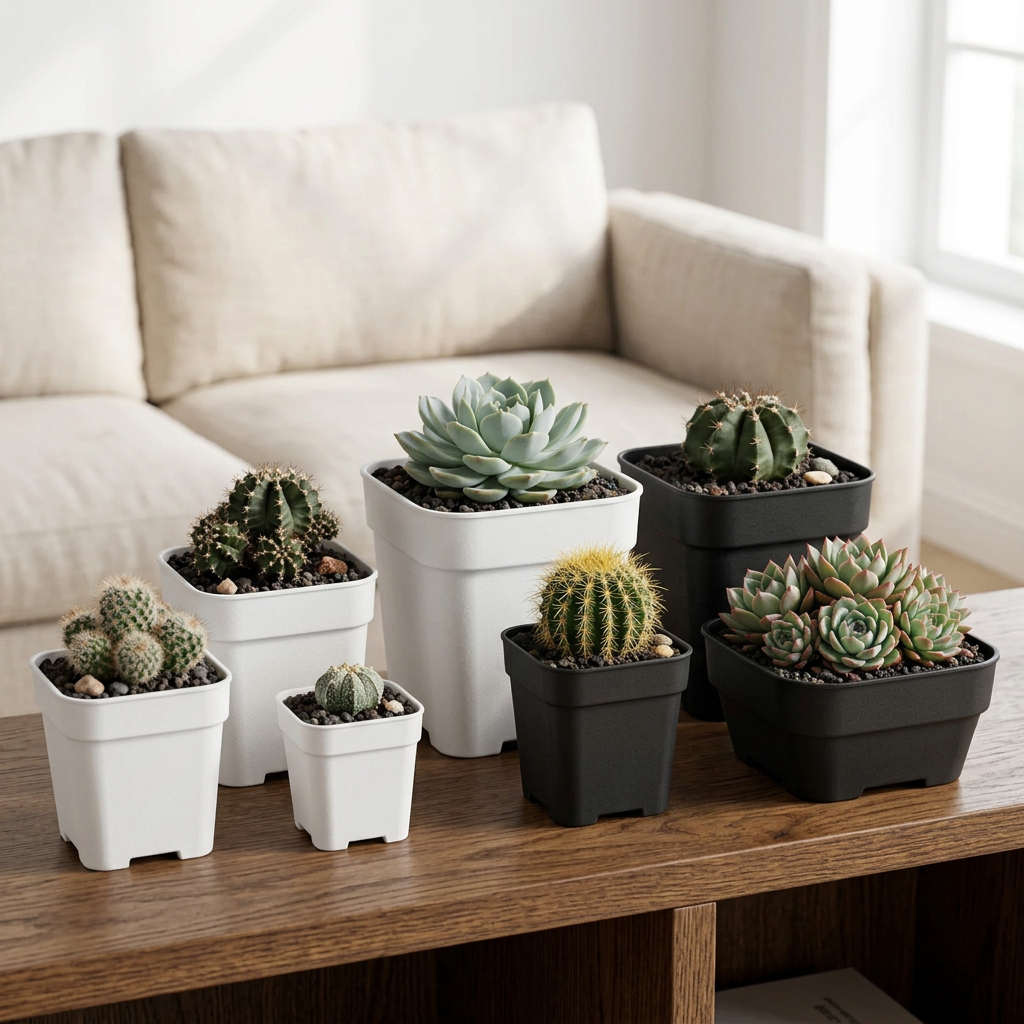
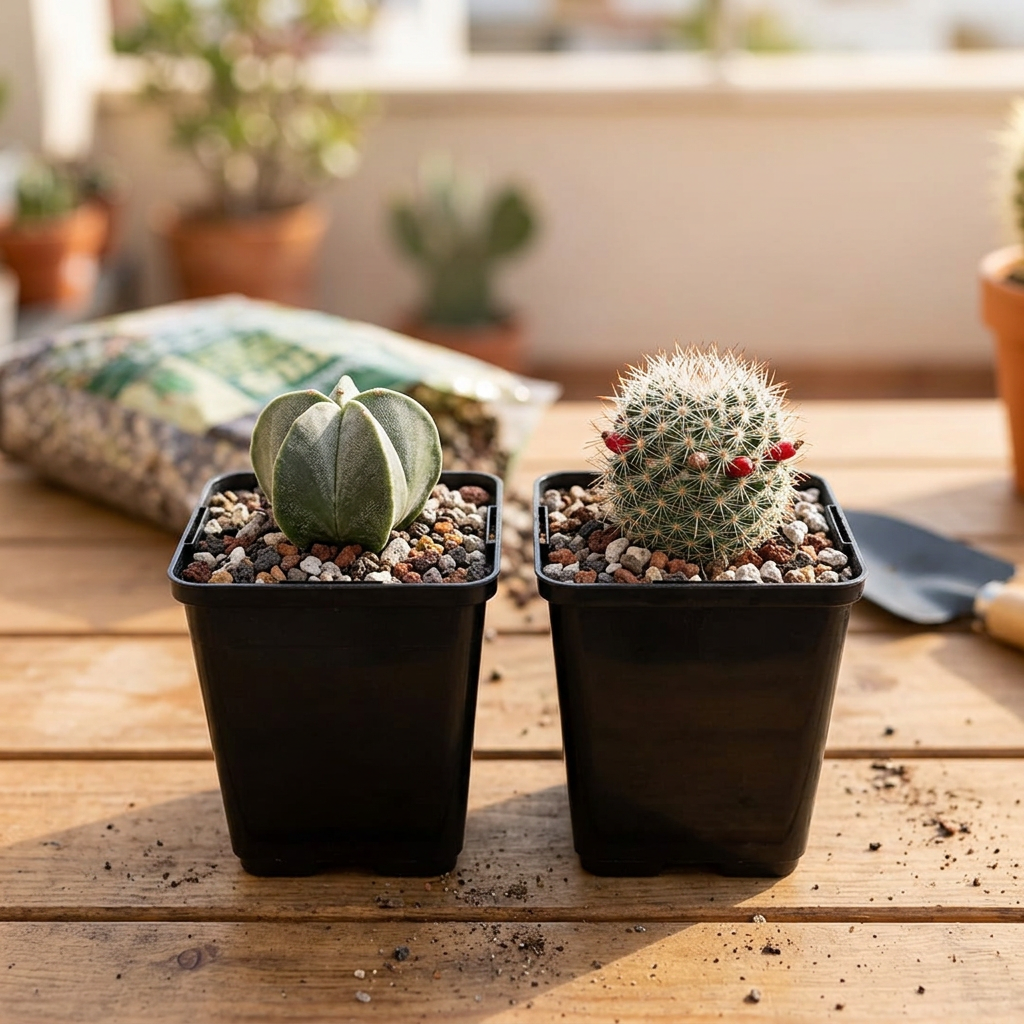
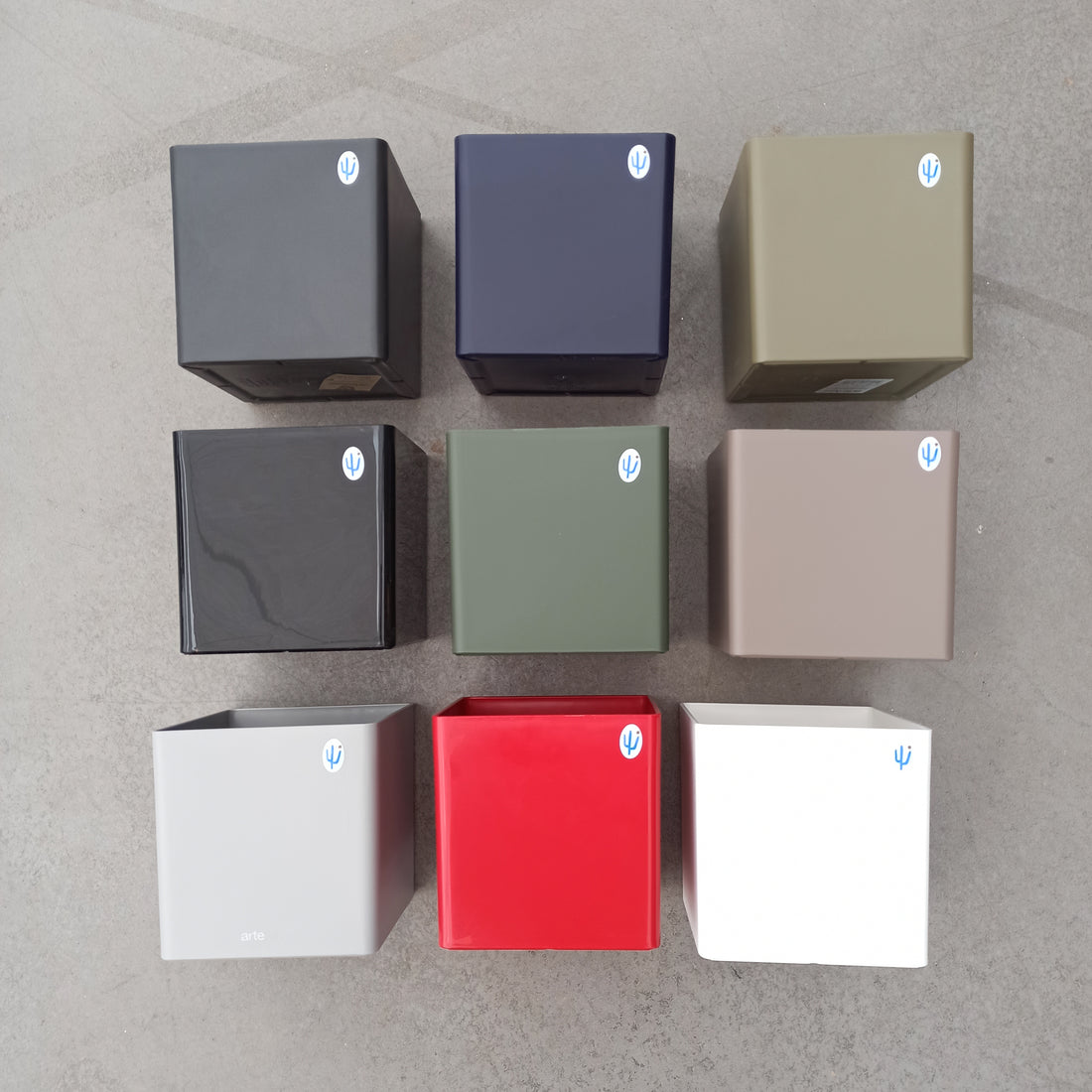
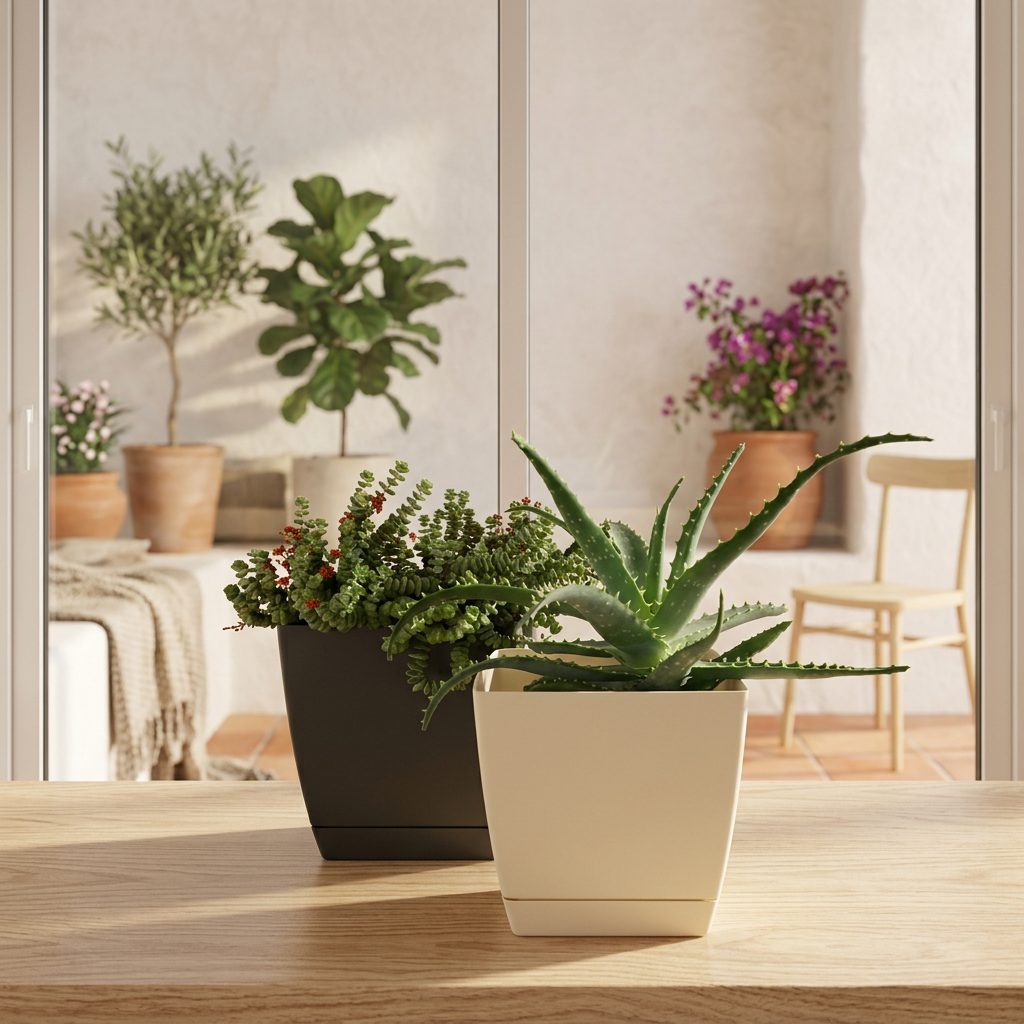
This is an inimitable xerophyte grown in Madrid in a high-tech square pot with a substrate activated with mycorrhizal fungi and biofungicides.
30-day money-back guarantee
Shop with complete peace of mind. If you are not satisfied, you have 30 days to return your order, no questions asked.
Expert advice with every purchase
Our team provides you with personalized advice on caring for your plants and growing media.
-
Secure and protected payment guaranteed.


Frequently Asked Questions
1. How do you ship plants without them getting damaged?
Each plant is individually packed with protective materials and packaging designed to prevent damage. This ensures that it arrives healthy and in perfect condition at your home.
2. How long will it take to receive my order?
The usual delivery time is 24/48 hours in the Peninsula. For orders placed before 2 PM, we usually prepare and ship on the same day. For orders shipped to Europe, you can check our shipping times here.
3. What happens if the plant arrives damaged?
If your plant suffers any problems during transport, you just have to write to us within the first 24 hours of reception and we will send you a quick solution: replacement or refund of the amount.
4. Do you offer a warranty on the plants?
Yes. In addition to our 30-day return policy, we guarantee that you will receive your plants in perfect condition and ready to thrive in their new home.
5. How do I know which plant is right for me?
On each plant profile, you'll find information on care, difficulty level, and watering and light needs. And if you have any questions, our expert team will guide you according to your space and experience.
6. Can I buy from outside the Peninsula?
We ship throughout the European Union.
7. What payment methods do you accept?
We accept credit or debit card payments, and if you come to our nursery in person, you can pay in cash.

Complete your oasis with these essentials
Discover accessories and complements that will make your plants shine and add a unique touch to your space.
-

Create your own oasis
Explore our cactus and succulent collections to transform your home with a unique touch.
-

Accessories that make a difference
Pots, substrates, and details designed to care for and enhance the beauty of your plants.


Products you've been viewing
