























































Gasteria 'Isomatsu' | Silver Marble Gasteria
€26,50 €21,20
- Shipped today? Order within:
- 30-day returns, no hassle
- Free shipping to mainland Spain on orders from €79.99
- Guaranteed arrival: if it arrives damaged, we replace it
Description
Morphology
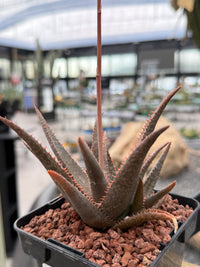
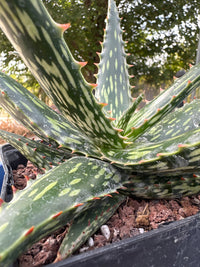
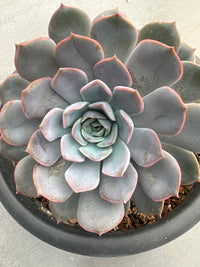
An ancient Japanese cultivar, extraordinarily compact and very slow-growing, prized for its exceptionally thick, short, and dense leaves. It forms a small, stemless rosette, generally solitary at first, although it can multiply through basal offsets. The leaves are short, robust, and tongue-shaped, ranging from whitish-gray to grayish-green, with a very fleshy and smooth surface. A few dark green markings appear against the light background, usually concentrated toward the central area of the upper face, creating a very distinct contrast.
The leaf tips can be blunt and end in a small point, although there is some variability between clones. The overall appearance is almost mineral, very different from the typical mottled pattern of many Gasteria. Alsterworthia highlights precisely its very thick and chubby, gray-white leaves with sparse green markings, noting that it is a very slow-growing cultivar with limited availability.
It is propagated vegetatively via offsets, so commercial specimens maintain the characteristics of the clone.
Distribution, habitat, and family
Family Asphodelaceae, tribe Alooideae. ‘Isomatsu’ is a horticultural cultivar, not a wild taxon, and therefore does not have a natural distribution of its own. Its cultivated origin is Japanese, and it belongs to the ancient heritage of Gasteria grown in Japan.
It should not be assigned to a specific wild species without further evidence: although some commercial sources have linked it to Gasteria gracilis, the specialized documentation consulted does not allow for establishing that parentage with sufficient certainty. Therefore, it is correctly maintained as Gasteria ‘Isomatsu’.
Temperature — USDA 9a
Tolerates minimum temperatures down to −4 ºC. Due to its extremely slow growth and very fleshy leaves, it is recommended to avoid the combination of intense cold and damp substrate.
Lighting
Shade–partial shade, with plenty of indirect light. Excessively intense lighting can cause stress and chromatic changes in the leaves, while insufficient light encourages more open growth. Indicative DLI PAR: 10–20 mol/m²/day. In Japanese cultivation, it is recommended to protect it from strong summer sun and provide it with more intense light during winter.
Growth cycle and watering
Opportunistic. It is recommended to water when the substrate has dried out completely, allowing it to dry again before the next watering. During cold periods, the frequency is considerably reduced, while in warm seasons it can receive more regular waterings if there is good ventilation and drainage.
Flowering
Information published specifically for the ‘Isomatsu’ cultivar is scarce and does not allow for a reliable determination of its own flowering season or an exact age for first flowering. As it is a Gasteria cultivar of undocumented parentage, a typical flowering for the genus can be expected, with erect inflorescences and hanging tubular flowers adapted to pollination by nectarivorous birds, but it is not considered reliable to attribute the flowering data of a specific species to it here.
Nutrition
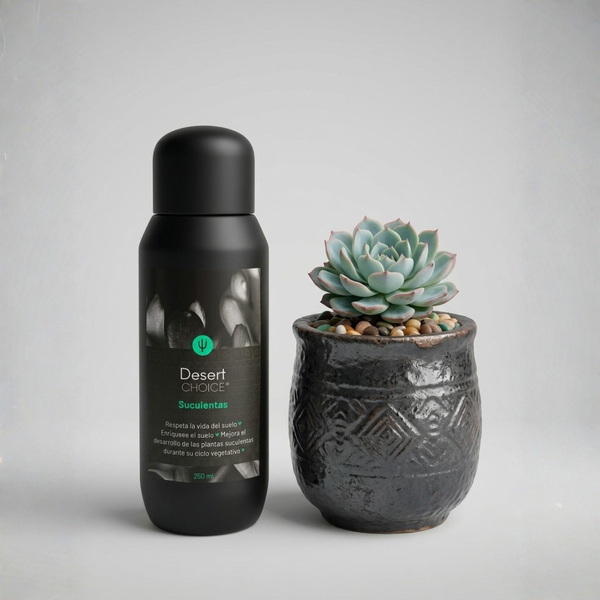
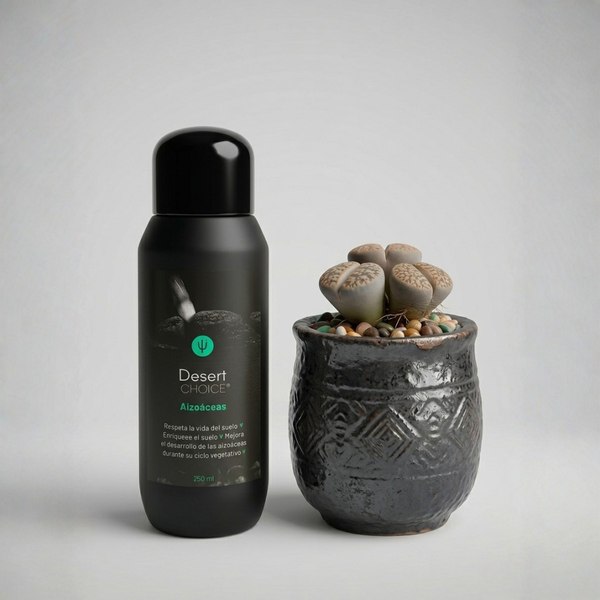
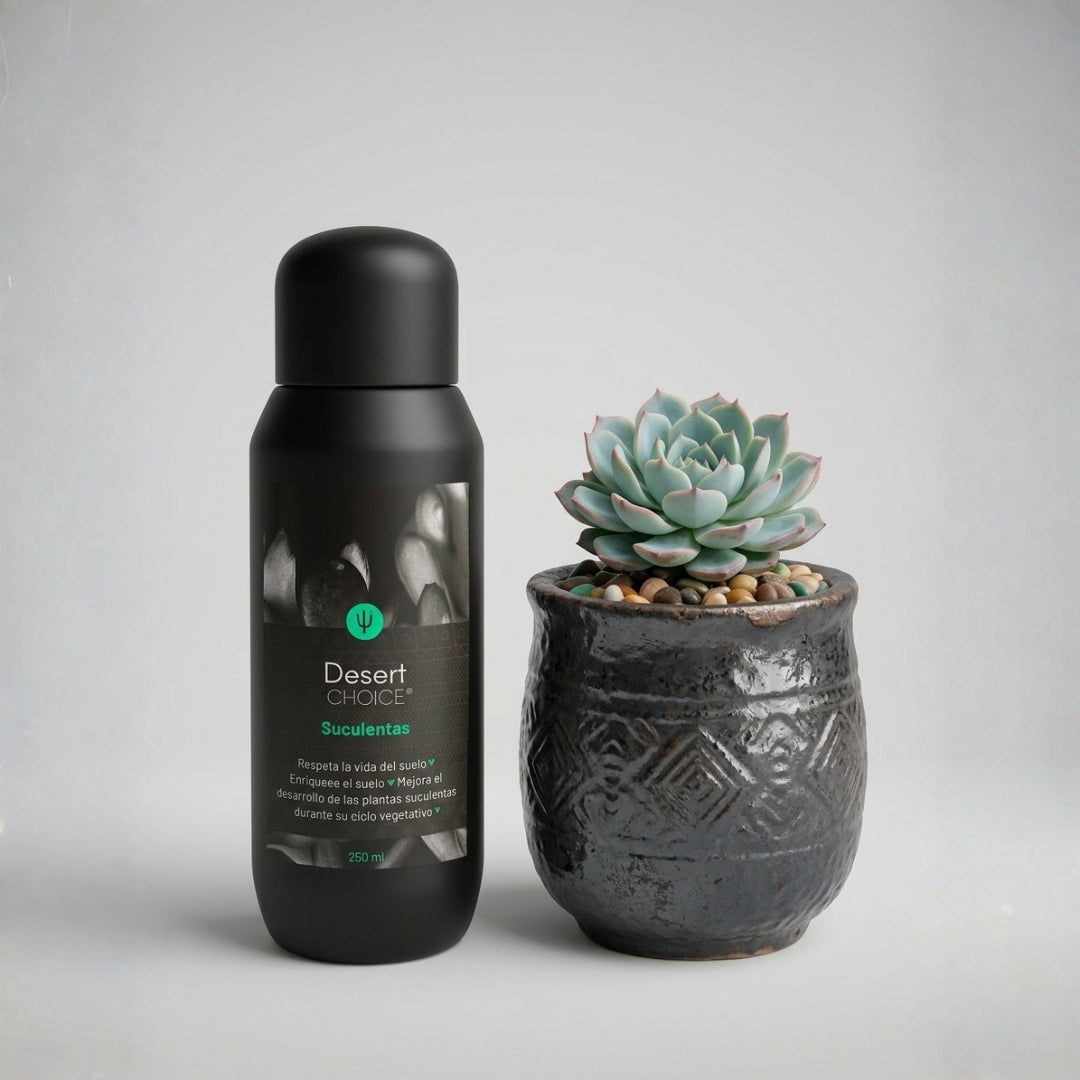
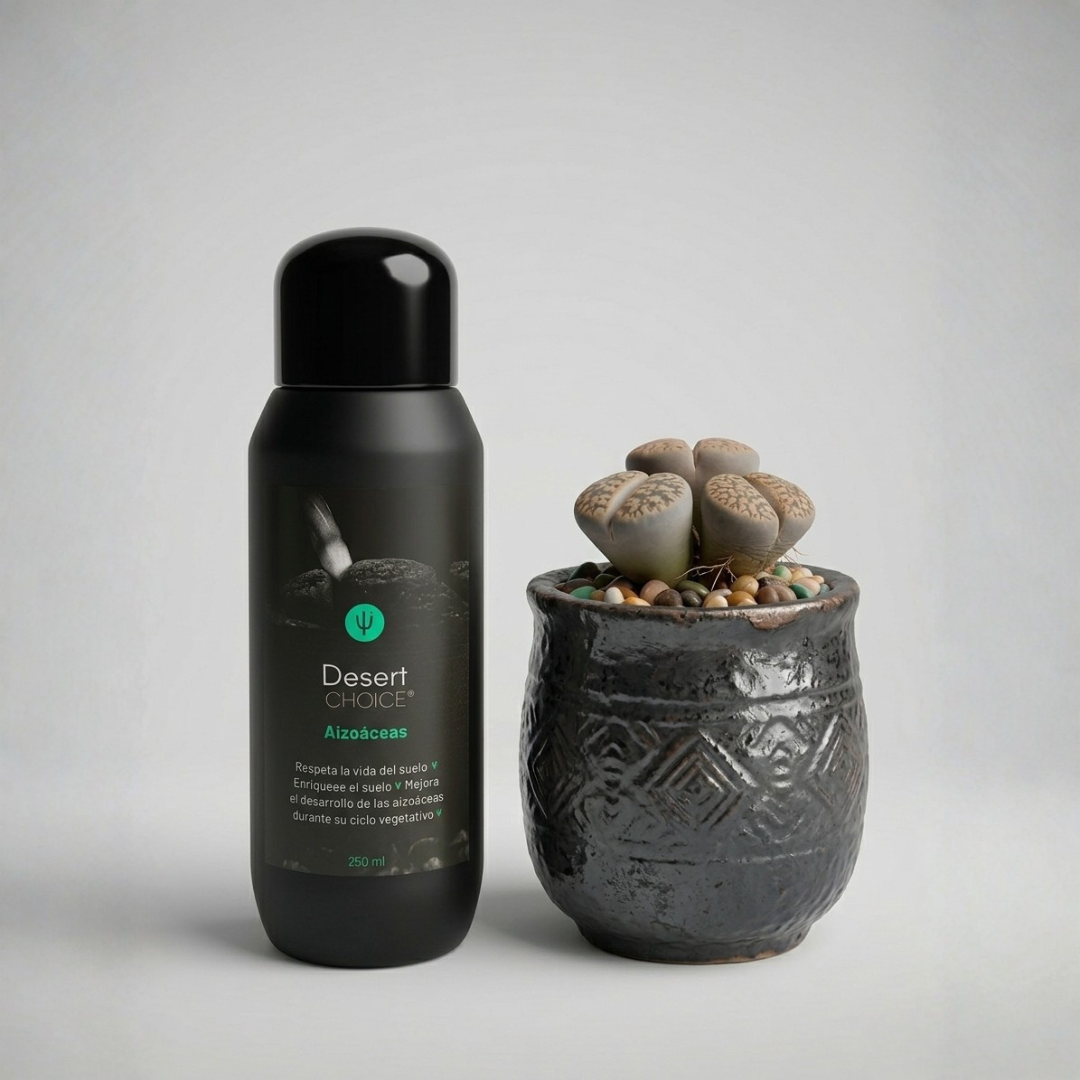
During the active growth period, Desert CHOICE® Aloes, Haworthias & Co. is recommended, with a high content of potassium and bioavailable calcium. It is applied with watering, reducing or suspending fertilization during the summer dormancy.
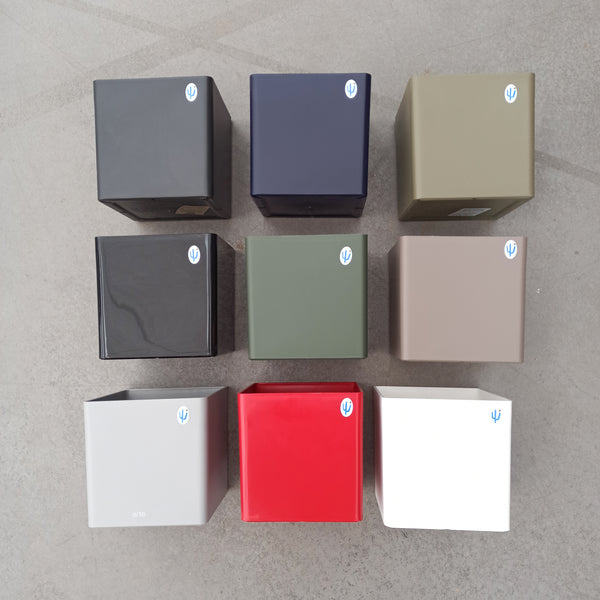
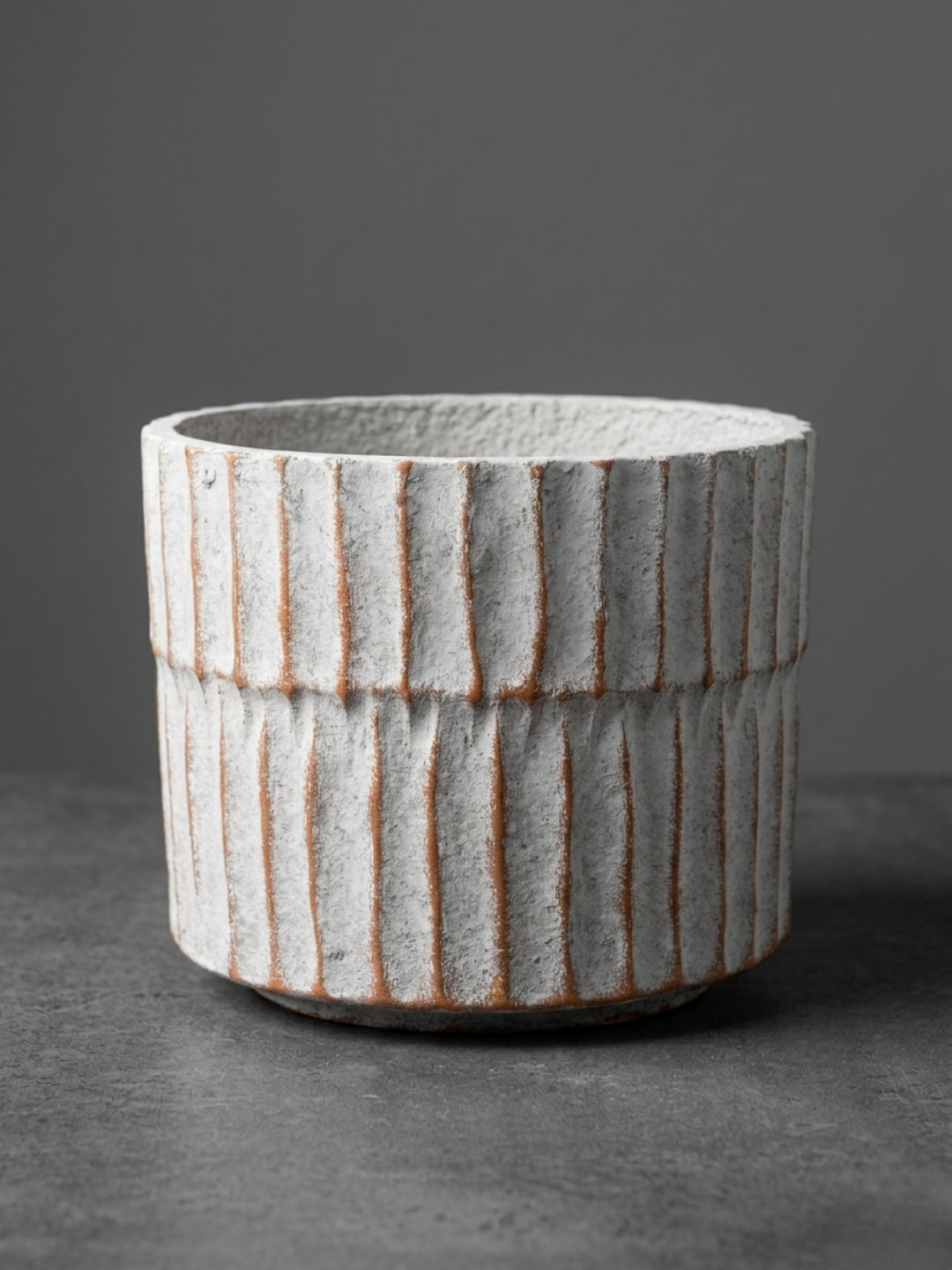
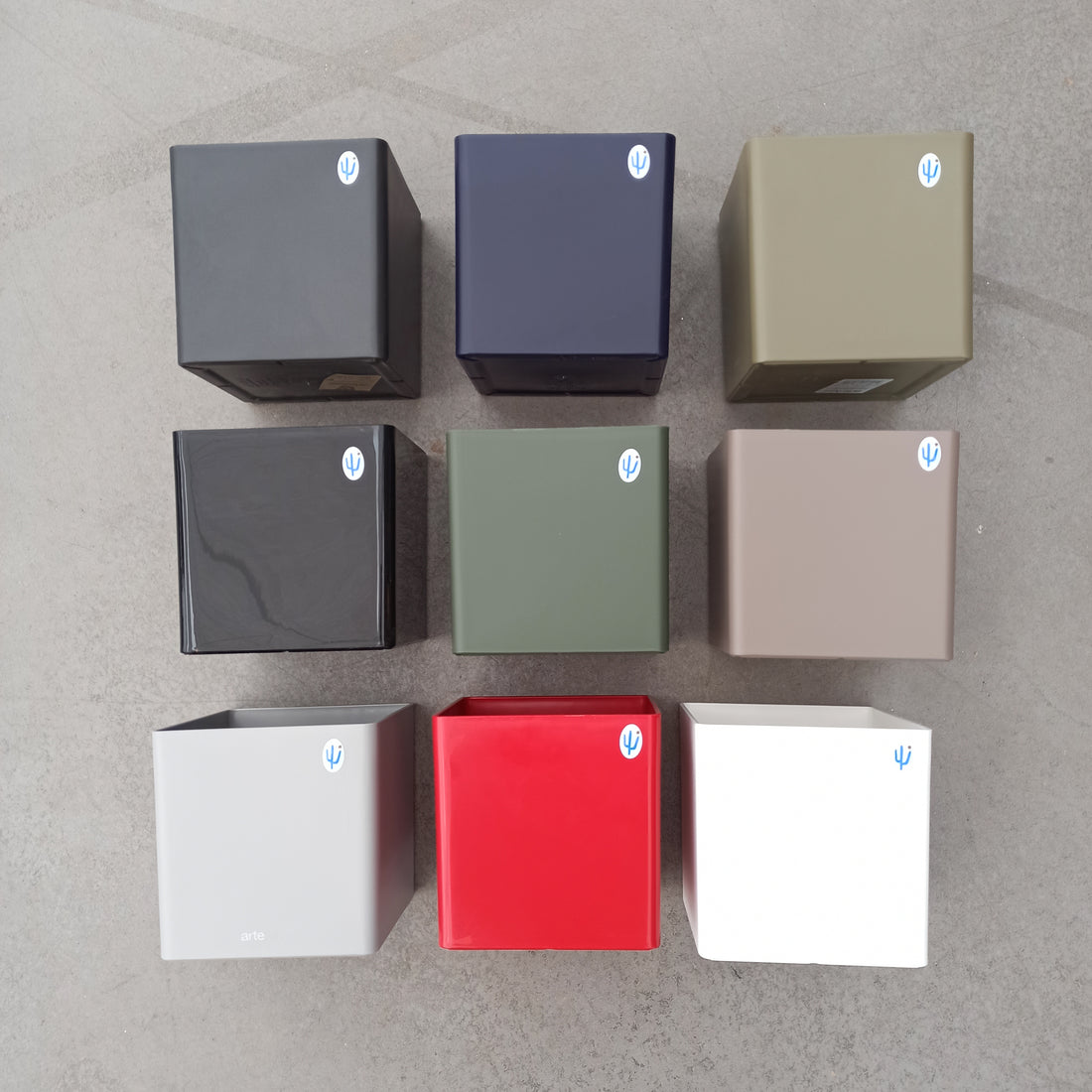
12x12 cm gourmet black pot
This is an inimitable xerophyte grown in Madrid in a high-tech square pot, with the substrate activated with mycorrhizal fungi and biofungicides.
30-day money-back guarantee
Shop with complete peace of mind. If you are not satisfied, you have 30 days to return your order, no questions asked.
Expert advice with every purchase
Our team provides you with personalized advice on caring for your plants and growing media.
-
Secure and protected payment guaranteed.


Frequently Asked Questions
1. How do you ship plants without them getting damaged?
Each plant is individually packed with protective materials and packaging designed to prevent damage. This ensures that it arrives healthy and in perfect condition at your home.
2. How long will it take to receive my order?
The usual delivery time is 24/48 hours in the Peninsula. For orders placed before 2 PM, we usually prepare and ship on the same day. For orders shipped to Europe, you can check our shipping times here.
3. What happens if the plant arrives damaged?
If your plant suffers any problems during transport, you just have to write to us within the first 24 hours of reception and we will send you a quick solution: replacement or refund of the amount.
4. Do you offer a warranty on the plants?
Yes. In addition to our 30-day return policy, we guarantee that you will receive your plants in perfect condition and ready to thrive in their new home.
5. How do I know which plant is right for me?
On each plant profile, you'll find information on care, difficulty level, and watering and light needs. And if you have any questions, our expert team will guide you according to your space and experience.
6. Can I buy from outside the Peninsula?
We ship throughout the European Union.
7. What payment methods do you accept?
We accept credit or debit card payments, and if you come to our nursery in person, you can pay in cash.

Complete your oasis with these essentials
Discover accessories and complements that will make your plants shine and add a unique touch to your space.
-

Create your own oasis
Explore our cactus and succulent collections to transform your home with a unique touch.
-

Accessories that make a difference
Pots, substrates, and details designed to care for and enhance the beauty of your plants.


Products you've been viewing
