




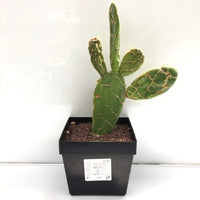















































Euphorbia neostapelioides | Monadenium stapelioides
€21,20 €16,96
- Shipped today? Order within:
- 30-day returns, no hassle
- Free shipping to mainland Spain on orders from €79.99
- Guaranteed arrival: if it arrives damaged, we replace it
Description
Morphology
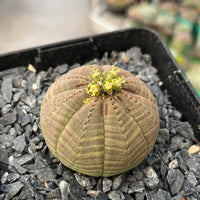
It looks like a small colony of sea creatures that had decided to grow on land: numerous fleshy stems arise from a thick root and open up to form a dome, while its large, fleshy leaves appear at the ends as if they were small green shovels. When the dormant period arrives and the leaves disappear, the striking architecture of the stems is revealed, covered by a succession of geometric tubercles.
It is a perennial succulent with a fleshy tuberous root, from which numerous cylindrical stems arise, generally erect at first and which may become decumbent with age. The stems reach approximately 30 cm in length and 1–2 cm in thickness, although they can form a clump up to 60 cm in diameter. They are covered by prominent tubercles, arranged in spiral series, which leave the leaf scars visible. The leaves are very fleshy, obovate to oblanceolate, up to about 5 × 1.5 cm, dark green in color and frequently with an attractive purple mottling or marbling. They are deciduous and concentrate towards the ends of the stems. It produces white latex when injured.
Distribution, habitat and family
It is native to Kenya and Tanzania, with records also in Uganda. It grows at approximately 525 to 2,125 m above sea level, among grasses on rocky terrain and in open areas of acacia scrubland. It frequently forms dense groups. It belongs to the Euphorbiaceae family. The name Euphorbia neostapelioides was published in 2006; currently Kew considers it a synonym of Euphorbia succulenta var. succulenta, while Monadenium stapelioides is the historical name by which it has been cultivated for decades.
Temperature — USDA Zone 10a–11b
It tolerates minimum temperatures of up to −1 ºC if it remains completely dry, is well acclimated, and the exposure to cold is brief. During winter, it is advisable to protect it especially from moisture and prolonged frosts. Cultivation references place it in USDA 10a–11b.
Lighting
During active growth, it needs intense lighting, with a target of approximately 18–25 mol/m²/day of PAR DLI. It tolerates high light exposure, although it is advisable to gradually acclimate it to direct sunlight. Good lighting helps keep the stems compact and promotes intense leaf coloration.
Growth cycle and watering
Winter dormancy.
During the active period, abundant watering is recommended, allowing the substrate to dry out completely before watering again. In winter, it enters a semi-dormant phase and loses most of its leaves, so watering must be considerably reduced, keeping the substrate practically dry.
Flowering
The inflorescences appear near the ends of the stems, in small cymes of several cyathes. The floral structures feature bracts that are greenish-white to pink, often with more intense pink tones, and a characteristic red or maroon gland. Flowering occurs mainly during the spring and early summer in cultivation. Afterwards, trilobed capsules form containing pale gray seeds.
Nutrition
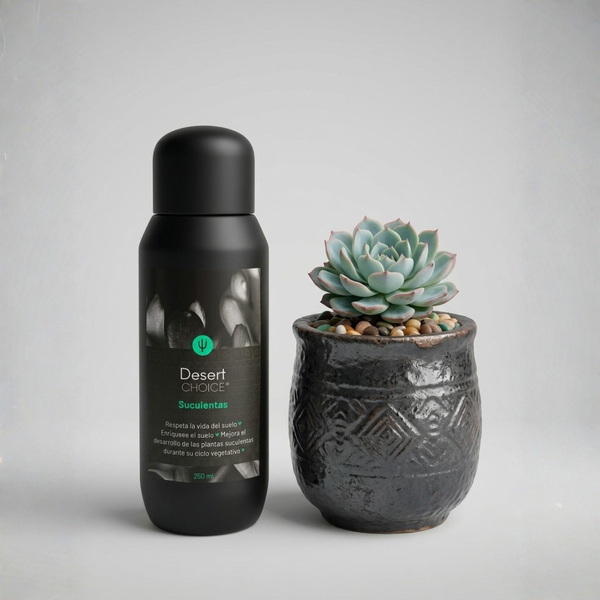
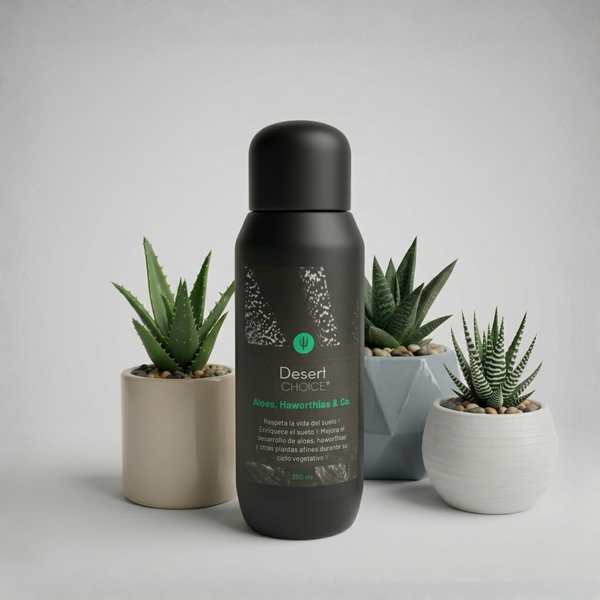
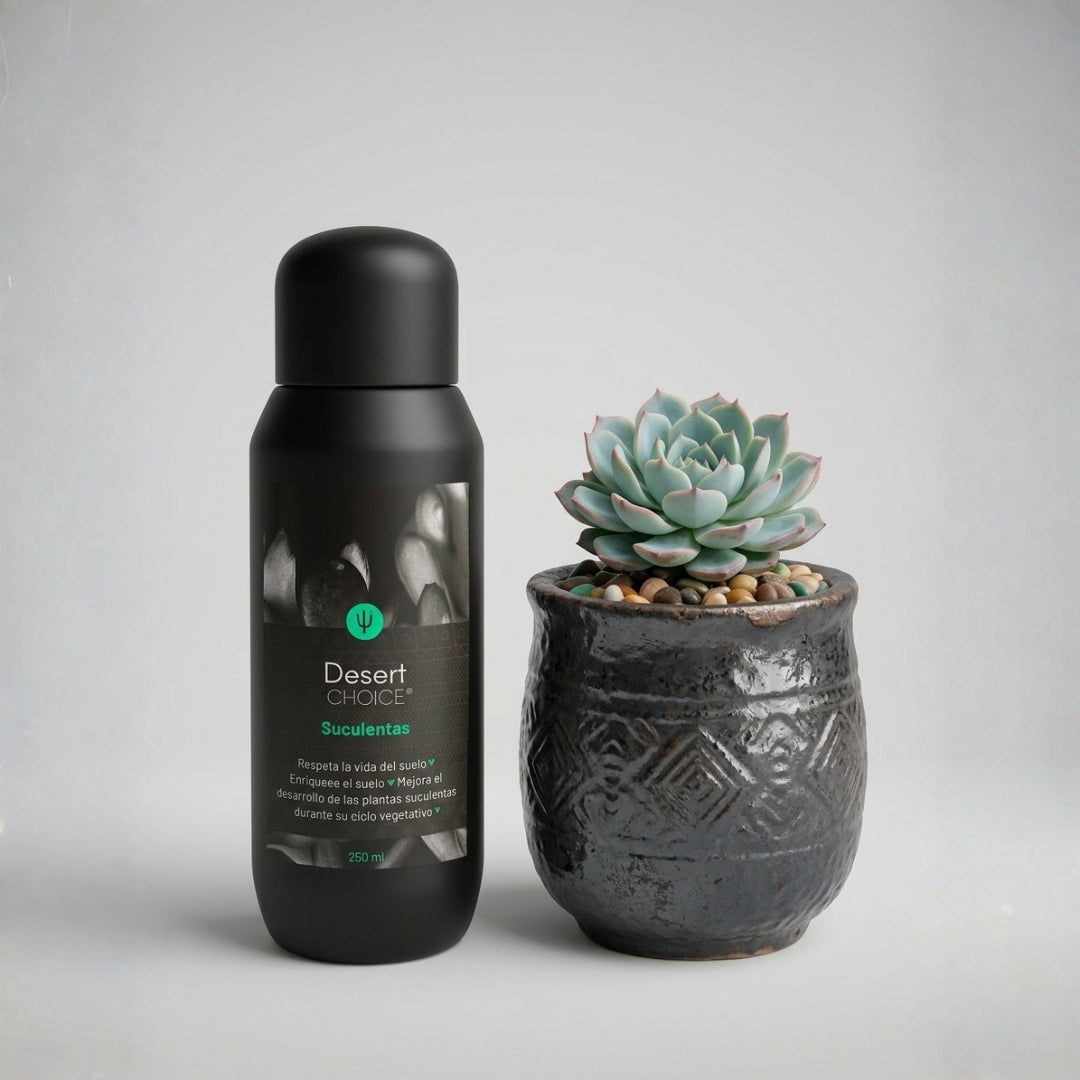
During the active growth period, a fertilizer specifically designed for succulents is recommended, with a high content of assimilable calcium, such as Desert CHOICE® Succulents, applied once a month when watering.
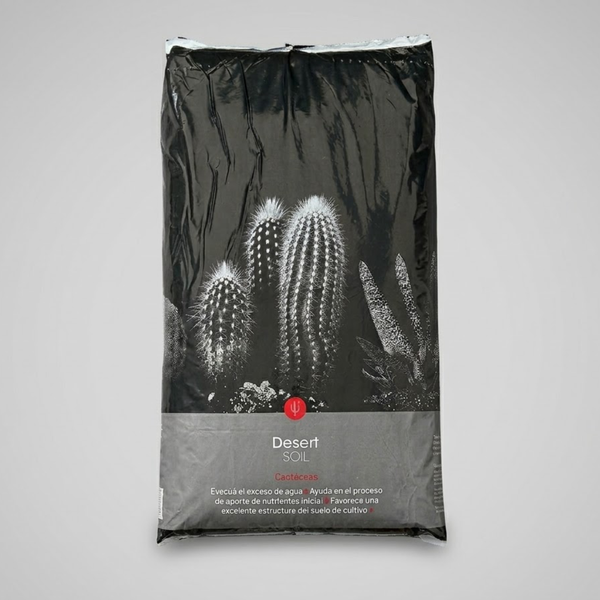
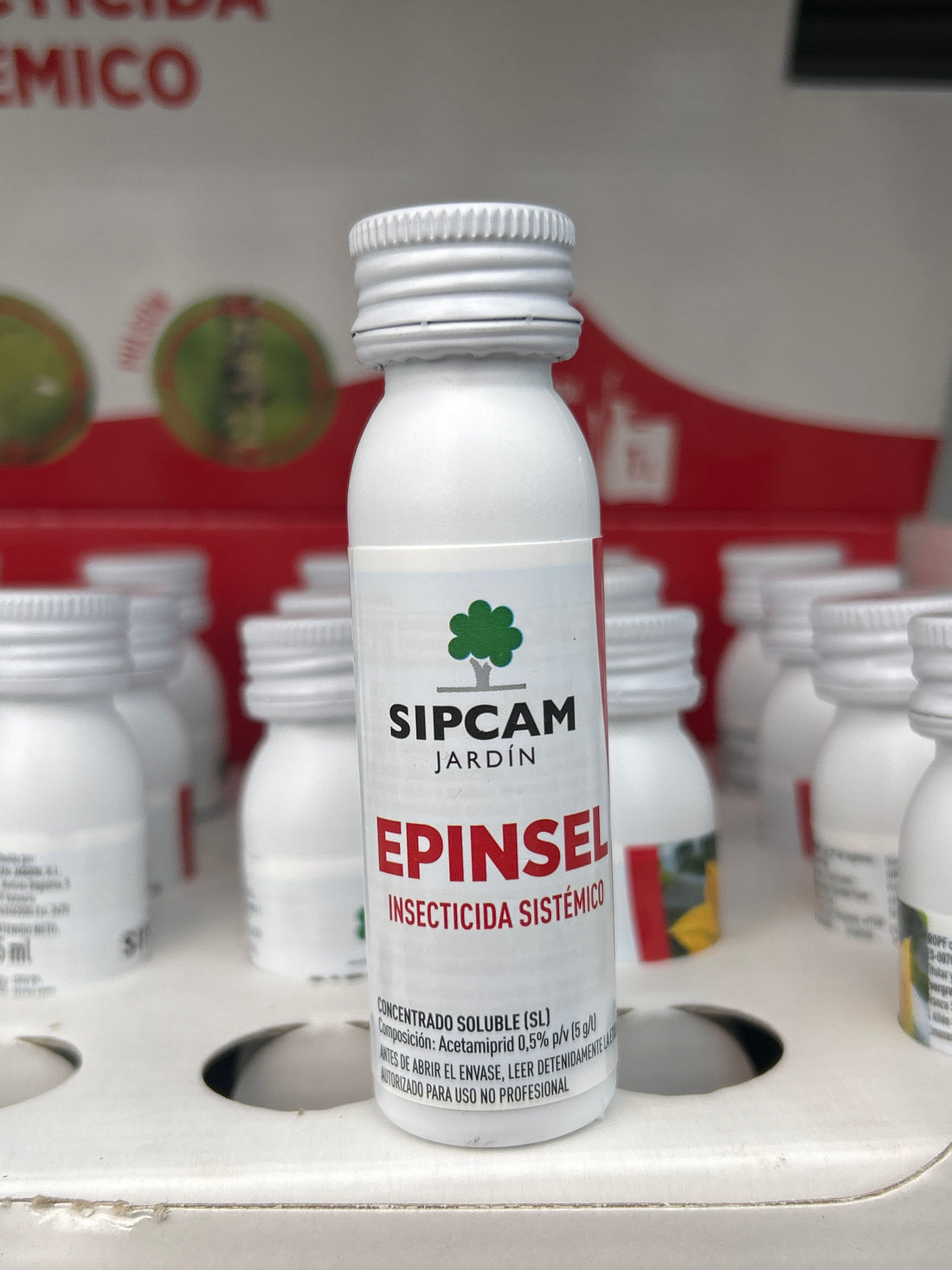
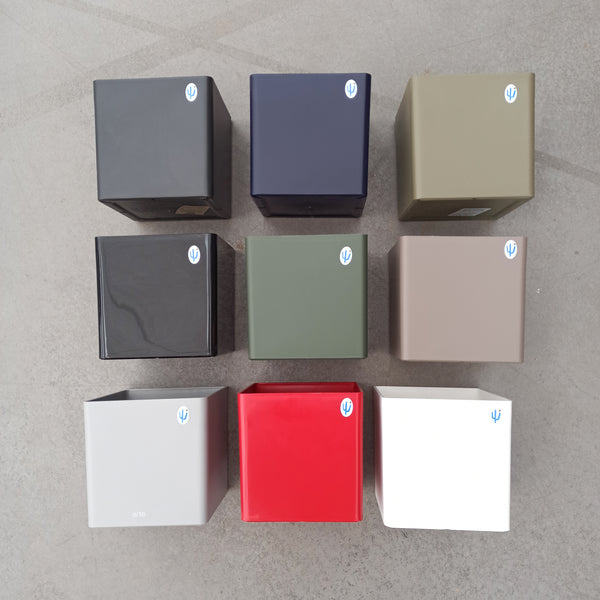
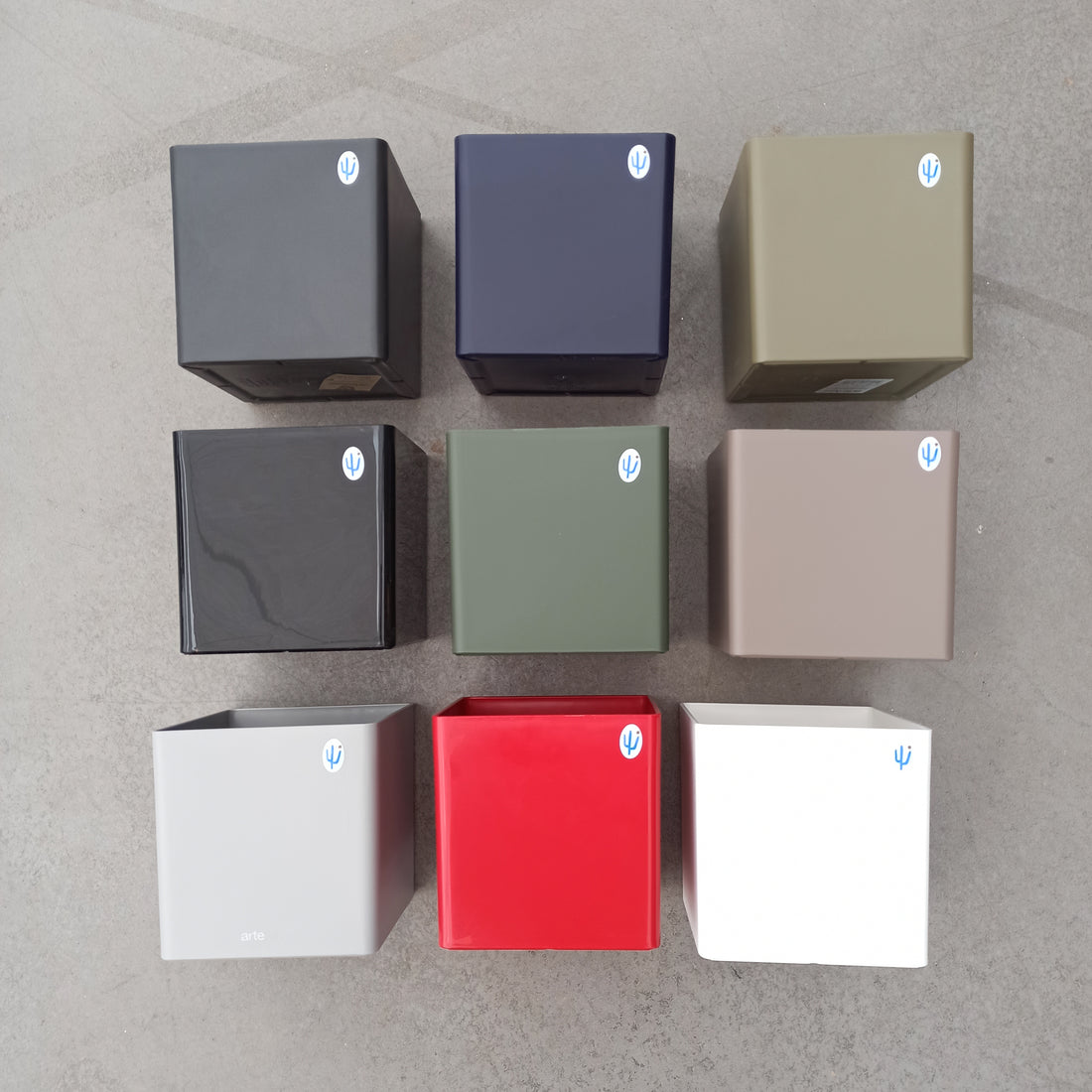
This is an inimitable xerophyte cultivated in Madrid in a high-tech square pot and with substrate activated with mycorrhizal fungi and biofungicides.
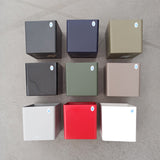
Gourmet black pot measuring 10x10 cm
30-day money-back guarantee
Shop with complete peace of mind. If you are not satisfied, you have 30 days to return your order, no questions asked.
Expert advice with every purchase
Our team provides you with personalized advice on caring for your plants and growing media.
-
Secure and protected payment guaranteed.


Frequently Asked Questions
1. How do you ship plants without them getting damaged?
Each plant is individually packed with protective materials and packaging designed to prevent damage. This ensures that it arrives healthy and in perfect condition at your home.
2. How long will it take to receive my order?
The usual delivery time is 24/48 hours in the Peninsula. For orders placed before 2 PM, we usually prepare and ship on the same day. For orders shipped to Europe, you can check our shipping times here.
3. What happens if the plant arrives damaged?
If your plant suffers any problems during transport, you just have to write to us within the first 24 hours of reception and we will send you a quick solution: replacement or refund of the amount.
4. Do you offer a warranty on the plants?
Yes. In addition to our 30-day return policy, we guarantee that you will receive your plants in perfect condition and ready to thrive in their new home.
5. How do I know which plant is right for me?
On each plant profile, you'll find information on care, difficulty level, and watering and light needs. And if you have any questions, our expert team will guide you according to your space and experience.
6. Can I buy from outside the Peninsula?
We ship throughout the European Union.
7. What payment methods do you accept?
We accept credit or debit card payments, and if you come to our nursery in person, you can pay in cash.

Complete your oasis with these essentials
Discover accessories and complements that will make your plants shine and add a unique touch to your space.
-

Create your own oasis
Explore our cactus and succulent collections to transform your home with a unique touch.
-

Accessories that make a difference
Pots, substrates, and details designed to care for and enhance the beauty of your plants.


Products you've been viewing
